
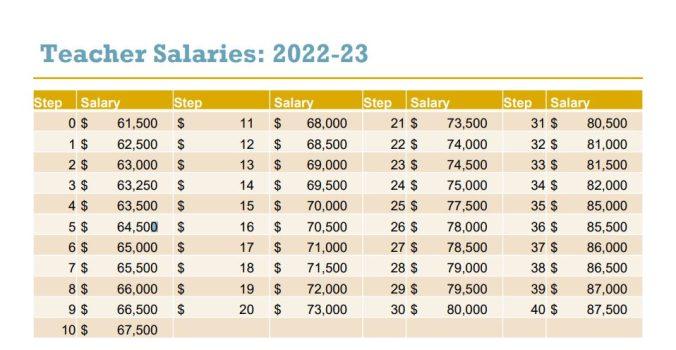
Analyzing Teacher Compensation Across Houston Metropolitan School Districts
Overview of Teacher Pay Variations in Houston’s School Districts
Teacher remuneration in the Houston metropolitan area exhibits considerable variation, influenced by each district’s financial capacity and strategic priorities. Leading the pack, districts such as Spring Branch ISD and Houston ISD provide some of the most attractive entry-level salaries, aiming to secure and maintain a skilled teaching workforce amid intense competition. Conversely, smaller districts often grapple with limited budgets, which can restrict annual salary growth for educators. Key components shaping total compensation include adjustments for local living costs, accumulated teaching experience, and incentives for advanced academic qualifications.
The table below offers a snapshot of average teacher salaries across major Houston-area districts for the 2023-24 academic year. This data highlights how district size and economic conditions correlate with salary offerings, reflecting broader efforts to invest in educational quality as the region’s population expands.
| School District | Average Salary (2023-24) | Starting Salary | Maximum Salary |
|---|---|---|---|
| Spring Branch ISD | $65,700 | $53,200 | $81,000+ |
| Houston ISD | $63,400 | $51,900 | $78,500 |
| Alief ISD | $59,900 | $50,000 | $73,200 |
| Katy ISD | $62,300 | $52,500 | $79,800 |
| Pasadena ISD | $57,800 | $48,700 | $71,500 |
- Attractive Entry-Level Pay: Essential for drawing new educators amid staffing shortages.
- Advanced Degree Bonuses: Many districts reward teachers with master’s or doctoral degrees with up to $5,000 extra annually.
- Adjustments for Living Costs: Salaries often reflect local housing market trends and general expenses.
- Incremental Salary Growth: Experience and tenure significantly enhance overall earnings over time.
Key Influences Behind Salary Disparities Among Houston Districts
Several critical factors explain the wide range of teacher salaries across Houston’s school districts. Foremost is funding availability, with districts benefiting from strong property tax revenues typically able to offer more competitive pay. Additionally, districts located in areas with higher living expenses must increase salaries to attract and keep qualified teachers. These financial realities intersect with district policies, as some prioritize teacher pay as a strategic tool to boost retention and instructional quality.
Local governance and union presence also shape salary structures. Districts with active teacher unions often secure higher starting wages and enhanced benefits through collective bargaining. Furthermore, districts may provide additional compensation for educators holding specialized certifications or advanced degrees. The table below compares select districts by average teacher salary, median property values, and union activity levels, illustrating the economic and political dynamics influencing pay scales:
| District | Average Teacher Salary | Median Property Value | Union Activity Level |
|---|---|---|---|
| Spring ISD | $61,500 | $260,000 | Moderate |
| Fort Bend ISD | $67,200 | $320,000 | High |
| Houston ISD | $57,800 | $190,000 | High |
| Katy ISD | $70,300 | $350,000 | Moderate |
How Competitive Pay Influences Teacher Retention and Student Success
Districts that provide competitive compensation packages tend to retain their most effective educators, significantly lowering turnover rates. When teachers feel adequately compensated, their job satisfaction and dedication increase, fostering a stable and experienced workforce. This continuity benefits students by creating consistent learning environments and stronger community ties.
Furthermore, investing in teacher salaries correlates with improved student achievement. Research indicates that well-compensated teachers are more likely to pursue ongoing professional development and adopt innovative instructional methods, which positively impact student learning outcomes. The link between salary investment and academic performance highlights the critical role of fair pay in educational excellence.
- Lower turnover reduces recruitment and training expenses.
- Experienced educators contribute to higher standardized test results.
- Increased job satisfaction enhances classroom management and student engagement.
| District | Average Teacher Salary | Annual Turnover Rate |
|---|---|---|
| Houston ISD | $62,000 | 15% |
| Katy ISD | $69,500 | 10% |
| Cy-Fair ISD | $64,300 | 12% |
| Spring ISD | $58,700 | 18% |
Strategies to Mitigate Salary Inequities in Houston’s Educational System
Addressing the growing salary gap among Houston-area school districts requires a commitment to salary transparency. Establishing clear, accessible pay scales based on experience, education, and performance can help reduce disparities and build trust. Conducting regular public salary audits will promote accountability and highlight areas needing adjustment. Additionally, fostering collaboration between districts through shared committees can encourage the exchange of effective practices and support the development of more uniform compensation standards, minimizing unhealthy competition for talent.
Policymakers should also explore targeted incentives to retain high-caliber teachers in under-resourced districts. Potential measures include:
- Signing bonuses for educators who commit to multi-year contracts.
- Professional development funding to enhance skills in lower-paying districts.
- Housing assistance to alleviate living cost pressures in expensive neighborhoods.
| Initiative | Anticipated Benefit | Projected Timeline |
|---|---|---|
| Salary Transparency | Decreased pay gaps and enhanced confidence | 6-12 Months |
| Incentive Programs | Improved retention in financially challenged districts | 12-18 Months |
| Inter-District Cooperation | Resource sharing and best practice dissemination | Ongoing |
Summary and Future Outlook
As Houston-area school districts compete to attract and keep top teaching talent, salary remains a pivotal factor influencing educator recruitment and retention. While some districts lead the region with robust compensation packages, others continue to face challenges in offering competitive wages. Recognizing and addressing these disparities is vital for policymakers, educators, and communities dedicated to fostering high-quality education throughout the Houston metropolitan area. Moving forward, stakeholders will closely monitor how evolving salary trends affect teacher stability and student achievement in the coming years.