
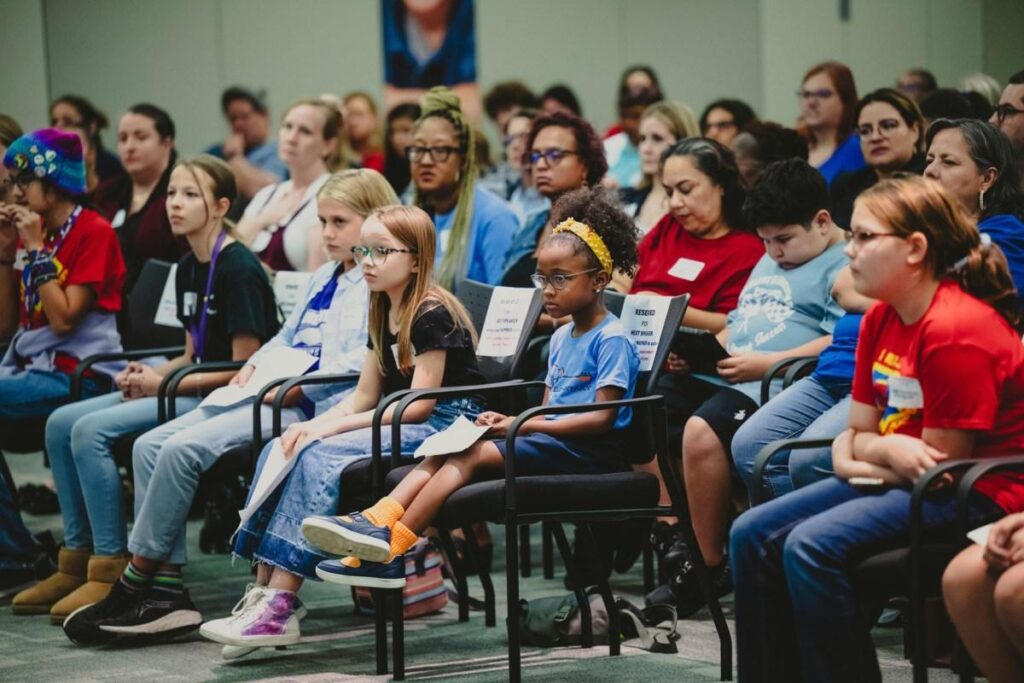
Houston Public Schools Confront Major Funding Challenges Amid Federal Budget Reductions
Federal Education Budget Cuts Threaten Houston’s School Programs and Services
Houston’s public education system is currently grappling with severe financial pressures following proposed budget reductions from the U.S. Department of Education under the Trump administration. These cuts jeopardize funding streams that support a variety of essential programs, including after-school activities, special education, and resources aimed at assisting economically disadvantaged students. School administrators and community leaders have raised concerns that these fiscal constraints could hinder efforts to close achievement gaps and weaken the district’s capacity to meet the diverse needs of its student body.
Critical areas facing potential cutbacks include:
- Special Education Services: Funding reductions threaten the availability of specialized instruction and therapeutic support.
- Technology Investments: Budget constraints may delay upgrades to digital learning tools, limiting students’ access to modern educational technology.
- Professional Development: Cuts to teacher training programs could impact instructional quality and staff retention.
- Nutrition and Wellness Programs: Meal assistance initiatives for low-income students risk being scaled back.
| Program | Funding in 2019 | Projected Funding 2021 | Expected Consequences |
|---|---|---|---|
| After-School Programs | $12 million | $7 million | Substantial funding decrease |
| Special Education | $25 million | $18 million | Potential staff reductions |
| Technology Upgrades | $10 million | $5 million | Outdated classroom equipment |
| Nutrition Services | $8 million | $6 million | Reduced meal provisions |
Consequences for Special Education and Support Services in Houston Schools
The proposed federal budget cuts pose a significant threat to Houston’s special education programs, which rely heavily on federal funding to maintain staffing and provide tailored support. These reductions could lead to fewer special education teachers and aides, diminishing the quality of individualized education plans (IEPs) and limiting access to critical therapies such as speech, occupational, and physical therapy.
Support services that foster inclusive classrooms—such as counseling, behavioral interventions, and transportation assistance—are also at risk of being curtailed or eliminated. This could result in increased challenges for students with disabilities and their educators.
- Fewer specialized educators: Increased student-to-teacher ratios in special education classrooms.
- Reduced therapy availability: Limited access to essential speech and occupational therapy sessions.
- Decline in adaptive technology: Decreased provision of assistive devices and software.
- Cutbacks in behavioral support: Less frequent counseling and behavioral management resources.
| Service | Current Provision | Projected Impact |
|---|---|---|
| Special Education Staffing | 1 teacher per 12 students | 1 teacher per 18+ students |
| Therapy Sessions | Weekly access for 90% of eligible students | Bi-weekly or limited access |
| Adaptive Technology | Available in 85% of classrooms | Availability drops below 60% |
| Behavioral Support | Regular counseling sessions | Reduced or eliminated support |
Teacher Reductions and Program Cuts Jeopardize Student Achievement
Houston’s school districts face the difficult prospect of cutting teaching positions and scaling back programs due to shrinking federal funds. These reductions come at a time when student enrollment is rising, exacerbating the strain on classroom resources. Larger class sizes and fewer qualified educators could diminish personalized instruction, particularly affecting students from underserved communities.
In addition to staffing challenges, vital enrichment programs such as after-school tutoring, special education support, and mental health services are vulnerable to budget cuts. Experts warn that these reductions could:
- Limit student access to essential academic resources
- Reduce intervention services for students struggling academically
- Weaken summer learning initiatives aimed at closing achievement gaps
| Program | Current Funding | Projected Reduction | Potential Effect |
|---|---|---|---|
| After-School Tutoring | $3.2 million | 25% | Fewer tutoring hours available |
| Special Education Services | $5.5 million | 15% | Reduced specialized staff |
| Mental Health Programs | $1.8 million | 30% | Decreased counseling availability |
Calls for Enhanced State Funding to Offset Federal Reductions
In light of the looming federal budget cuts, education advocates and policy experts are urging Texas lawmakers to increase state funding to bridge the gap. Without swift state action, many Houston schools risk losing critical programs that support vulnerable student populations, including those with special needs and those from low-income families.
Recommended strategies to mitigate the impact include:
- Increasing state grants targeted at special education and economically disadvantaged students
- Expanding funding for teacher professional development to sustain instructional quality
- Supporting after-school and summer enrichment programs to prevent learning loss
- Enhancing mental health services to address rising student wellness concerns
| Funding Category | Estimated Federal Cut | Proposed State Response |
|---|---|---|
| Special Education | $12 million | Increase state budget allocation by 20% |
| Mental Health Services | $5 million | Designate emergency funding |
| After-School Programs | $8 million | Collaborate with local nonprofits for support |
| Teacher Training | $3 million | Establish state-funded scholarships and grants |
Conclusion: Navigating Uncertain Times for Houston’s Education System
As Houston’s public schools confront the reality of substantial federal funding cuts, educators, families, and community stakeholders are preparing for difficult choices ahead. The potential loss of funding for special education, extracurricular programs, and student support services threatens to disrupt the progress made toward educational equity and student success. Advocates continue to push for increased investment at the state level to safeguard these critical resources. The coming months will be pivotal in determining how Houston’s schools adapt to these financial challenges and what the future holds for the city’s students.