
Goodyear’s $650 Million Divestiture of Chemicals Unit: A Strategic Refocus on Core Tire Business
Refocusing Strategy: Goodyear’s Departure from Chemicals to Strengthen Tire Operations
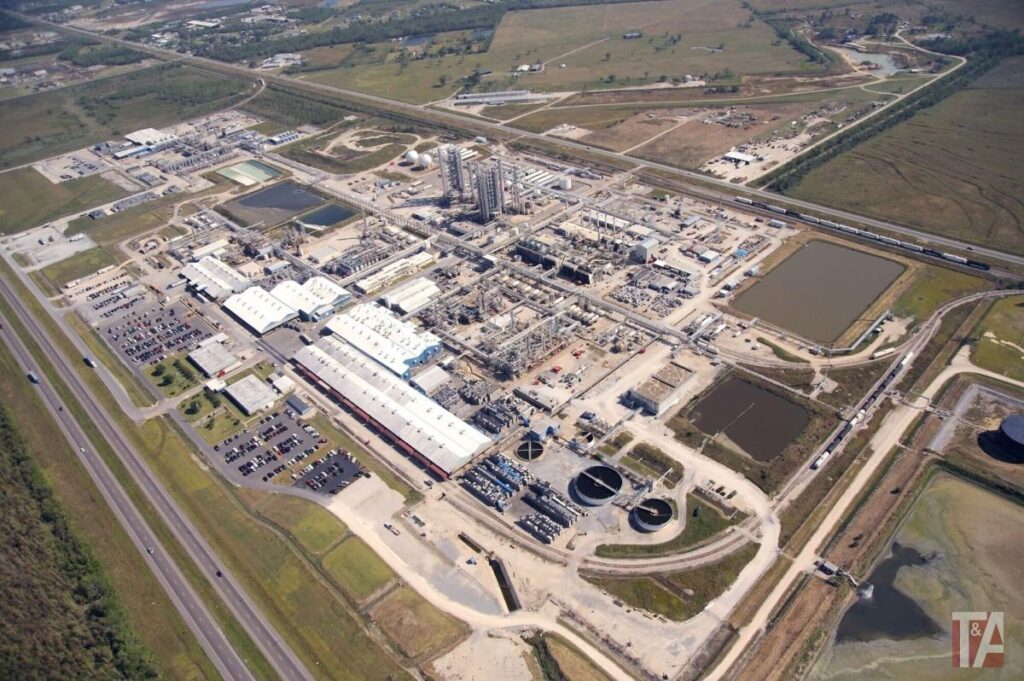
Goodyear Tire & Rubber Company has finalized a pivotal agreement to divest its chemicals division for $650 million, a transaction that includes its Houston-based manufacturing plant. This move represents a deliberate shift in Goodyear’s corporate strategy, concentrating resources and innovation efforts on its primary tire and rubber product lines. Industry experts interpret this sale as a decisive step toward enhancing operational efficiency and competitiveness amid a rapidly evolving automotive and materials market.
Highlights of the transaction include:
- Transfer of the Houston chemical manufacturing facility, expanding the buyer’s production capabilities
- Infusion of capital expected to support Goodyear’s reinvestment in tire technology and digital mobility solutions
- Strategic realignment emphasizing sustainable growth sectors within the tire industry
| Asset Sold | Sale Amount | Facility Location | Purchasing Entity |
|---|---|---|---|
| Chemicals Division | $650 million | Houston, Texas | Undisclosed Industrial Buyer |
Economic and Workforce Implications of the Houston Facility Transfer
The acquisition of Goodyear’s Houston chemical plant introduces a new chapter for the local industrial ecosystem. While ownership is changing hands, the facility is expected to continue operations, preserving numerous jobs and maintaining Houston’s role as a vital center for chemical manufacturing. This transition may also generate fresh opportunities for local vendors and service providers as the new management potentially expands and restructures operations.
Nevertheless, employees face a period of adjustment with several critical factors to consider:
- Job Security: The incoming owners have expressed intentions to retain the current workforce, though operational changes remain a possibility.
- Skill Development: Prospects for employee training and upskilling may arise, especially with the introduction of new technologies or processes.
- Community Impact: The economic health of the Houston area will depend on how effectively the new ownership integrates and invests in the region.
| Factor | Expected Outcome |
|---|---|
| Employment Stability | Maintained with cautious optimism |
| Local Supplier Engagement | Potential increase in contract opportunities |
| Community Investment | Dependent on new management’s strategic priorities |
Market Repercussions: What Goodyear’s Chemicals Sale Means for Competitors and Industry Dynamics
Goodyear’s divestment of its chemicals business, including the Houston plant, is poised to influence competitive dynamics within both the tire manufacturing and specialty chemicals sectors. By offloading this non-core asset, Goodyear is positioning itself to accelerate innovation in tire technology and mobility solutions. Meanwhile, competitors may view this as an opportunity to expand their chemical production capabilities or consolidate their market positions through acquisitions.
Key market consequences to watch:
- Industry Consolidation: Increased merger and acquisition activity as companies seek to strengthen their chemical portfolios.
- Innovation Focus: Goodyear’s streamlined operations could lead to heightened investment in sustainable tire materials and digital integration.
- Supply Chain Adjustments: The change in ownership of the Houston facility may alter regional supply networks and vendor partnerships.
| Aspect | Potential Effect | Industry Reaction |
|---|---|---|
| Goodyear’s Core Focus | Enhanced R&D and product development | Competitors may boost tire technology innovation |
| Chemicals Division Sale | New ownership opportunities | Possible shifts in specialty chemical market shares |
| Houston Manufacturing Site | Change in regional production leadership | Potential reconfiguration of local supply chains |
Guidance for Stakeholders During the Transition Phase
To ensure a smooth transition following the acquisition, all parties involved should emphasize transparent communication and collaborative planning. Maintaining open lines between Goodyear, the new owners, and the Houston workforce is critical to preserving morale and operational continuity. Early alignment on corporate culture and safety standards will also help minimize disruptions to supply chains and customer service.
Recommended actions for key stakeholders:
- Form cross-functional transition teams to oversee integration efforts.
- Provide regular updates to employees and suppliers regarding progress and changes.
- Implement consistent health, safety, and environmental protocols swiftly.
- Engage with local community leaders to sustain regional support and economic stability.
| Stakeholder Group | Primary Concern | Immediate Goal |
|---|---|---|
| Employees | Job security and benefits | Clear communication on employment status |
| Management | Operational integration and efficiency | Harmonize workflows and processes |
| Suppliers | Contract continuity | Confirm ongoing supply agreements |
| Local Community | Economic sustainability | Support employment and community initiatives |
Looking Ahead: Strategic Implications and Industry Trends
Goodyear’s $650 million sale of its chemicals business, including the Houston manufacturing site, signals a decisive strategic realignment toward its foundational tire and rubber operations. This divestiture not only streamlines Goodyear’s portfolio but also mirrors a broader industry trend where companies are optimizing asset bases to foster innovation and sustainable growth. As the deal moves toward finalization, stakeholders across the supply chain, workforce, and local economy will closely monitor its impact, which could set precedents for future transactions in the automotive and chemical sectors.