
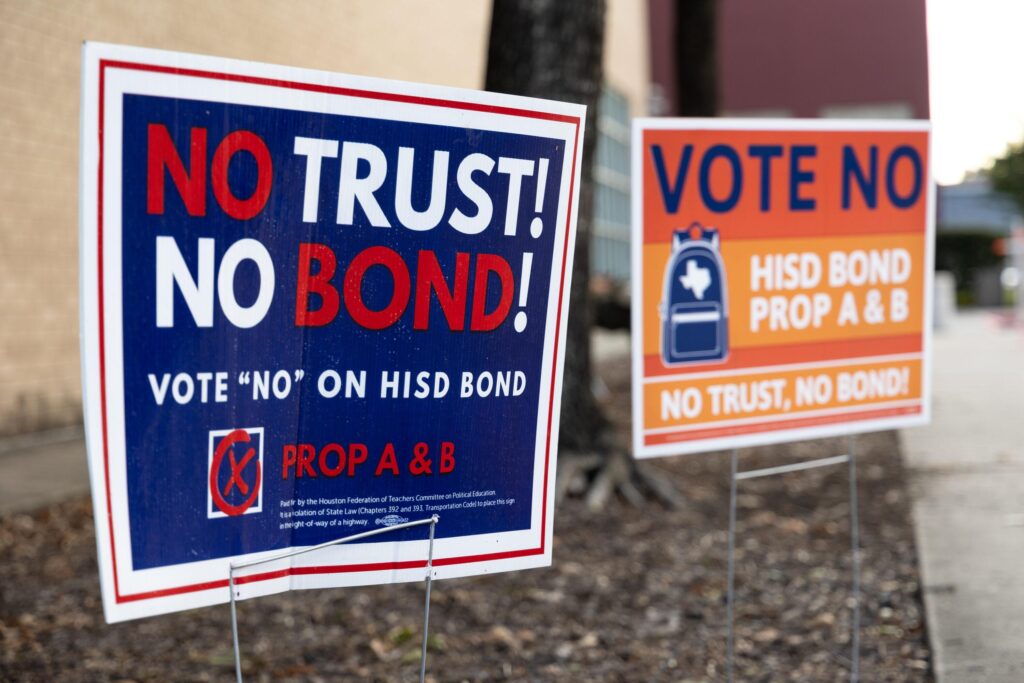
Houston ISD Bond Rejection Highlights Community Frustration and State Intervention Worries
Houston voters overwhelmingly dismissed the latest bond proposal from the Houston Independent School District (HISD), signaling a strong wave of dissatisfaction with district leadership and governance. This decisive defeat, by a substantial margin, reflects growing unease among residents regarding fiscal responsibility, transparency, and the strategic use of funds within Texas’ largest school district. Many interpret the vote as a direct challenge to the current administration’s approach to school improvement and resource allocation.
The bond’s failure has intensified concerns about HISD’s future autonomy, with experts warning that such electoral outcomes often accelerate state oversight or takeover efforts. Given the district’s ongoing academic struggles and operational challenges, the rejection amplifies fears that state authorities may increase their control. Key issues driving this apprehension include:
- Financial instability worsened by the loss of bond funding
- Declining academic performance and accountability gaps
- Increased political scrutiny on local school governance
| Approval Rate | 2019 Bond | 2024 Bond |
|---|---|---|
| Houston ISD | 68% | 32% |
| Neighboring Districts | 75% | 65% |
| Statewide Average | 72% | 57% |
Understanding the Reasons Behind HISD’s Bond Vote Failure
Community stakeholders attribute the overwhelming rejection of the HISD bond to a multifaceted mix of financial apprehensions, trust deficits, and political dynamics. Many voters voiced doubts about the district’s previous handling of funds and expressed concerns about the clarity and accountability of future spending plans. The timing of the bond proposal, amid rising anxiety over potential state takeover, further heightened voter wariness. Local leaders stress the necessity of transparent communication and accountability measures to restore public trust.
- Economic pressures: Concerns over rising property taxes during inflationary periods
- Leadership skepticism: Doubts about past financial management and project delivery
- State control fears: The vote perceived as a referendum on district independence
- Insufficient community involvement: Perceived lack of meaningful engagement before the bond proposal
During recent community forums, activists and board members discussed strategies to enhance engagement with families and stakeholders. Emphasis was placed on prioritizing equitable resource distribution and establishing clear, measurable outcomes. A shared consensus emerged around the need for frequent progress updates and participatory budgeting to ensure future initiatives align with community expectations and rebuild confidence in HISD’s leadership.
| Factor | Impact Level | Community Recommendation |
|---|---|---|
| Financial Transparency | High | Increase frequency of financial reporting |
| Political Concerns | Medium | Clarify implications of state oversight |
| Community Engagement | High | Expand outreach and dialogue initiatives |
| Tax Burden | High | Investigate alternative funding sources |
Consequences of Bond Rejection on HISD’s Financial Health and Educational Quality
The rejection of the bond proposal places HISD’s financial outlook in jeopardy, as the district loses access to critical capital intended for infrastructure upgrades, safety improvements, and enhanced classroom resources. These investments are vital for sustaining educational standards and addressing aging facilities. Without this funding, deferred maintenance costs are expected to rise, potentially leading to prolonged delays in essential repairs and upgrades that directly impact students and staff.
Additionally, the vote is widely interpreted as a community pushback against state intervention, signaling resistance to external control. Operating under tighter budget constraints may force HISD to consider:
- Scaling back academic and extracurricular programs
- Delaying technology modernization efforts
- Facing challenges in attracting and retaining qualified educators
- Limiting expansion of student support services
| Financial Element | Expected Impact |
|---|---|
| Lost Bond Revenue | Estimated $X million in missed capital investments |
| Infrastructure Upkeep | Increased repair costs and project delays |
| Program Funding | Potential cuts to extracurricular and support services |
Strategies for HISD’s Recovery: Building Trust and Enhancing Voter Engagement
To restore community faith, HISD must commit to transparent and consistent communication regarding budget management and educational goals. Regularly scheduled town halls featuring clear data presentations and open forums for voter questions can help alleviate doubts. Creating a standing advisory committee composed of parents, educators, and community leaders will ensure ongoing input and accountability throughout future funding cycles.
Outreach efforts should prioritize grassroots mobilization by partnering with neighborhood groups and trusted local organizations. Providing multilingual educational materials and accessible formats will help engage historically underrepresented populations. The table below outlines key initiatives and responsible parties to coordinate these efforts effectively:
| Initiative | Lead Entity | Implementation Timeline |
|---|---|---|
| Quarterly community forums with interactive Q&A | HISD Communications Department | Ongoing |
| Formation of multi-stakeholder advisory panel | School Board | Within 3 months |
| Development of multilingual voter education resources | Community Outreach Coordinators | Continuous |
| Collaboration with local organizations for voter engagement | Parent-Teacher Associations | Pre-election periods |
Conclusion: HISD’s Path Forward Amidst Bond Rejection
The resounding defeat of the Houston ISD bond proposal sends a powerful message of community skepticism toward the district’s current leadership and financial stewardship. Viewed by many as a referendum on the looming state takeover, the vote highlights profound concerns about governance and fiscal management in one of Texas’ largest school districts. Moving forward, HISD must engage in meaningful dialogue with stakeholders to rebuild trust and develop a sustainable strategy that supports students, educators, and families alike.