
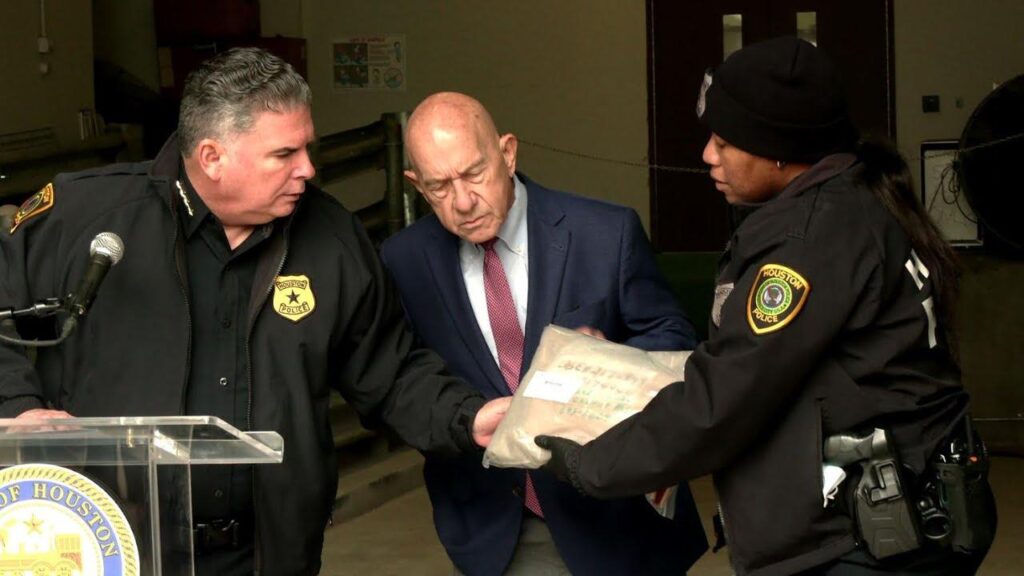
Houston Police Department’s Controversial Plan to Dispose of Stored Evidence Sparks Debate
Houston Police Department Proposes Evidence Disposal to Address Storage Challenges
The Houston Police Department (HPD) has introduced a contentious initiative aimed at eliminating certain evidence items currently housed in its property storage facilities. This strategy is designed to alleviate mounting storage limitations and reduce the backlog of unprocessed materials. However, the proposal has ignited concerns among legal professionals and community advocates who fear the potential repercussions on active and future criminal investigations. HPD officials assert that the plan incorporates stringent criteria to determine which evidence qualifies for destruction, focusing exclusively on items no longer pertinent to ongoing cases or appeals.
Highlights of the Proposed Evidence Disposal Plan
- Case officers will conduct thorough reviews and validations prior to any destruction
- Measures to ensure that evidence disposal does not disrupt active investigations
- Regular audits and public transparency reports to monitor evidence management
| Evidence Category | Examples of Items Targeted | Estimated Reduction in Storage Volume |
|---|---|---|
| Recovered Property | Obsolete electronics, worn clothing | Approximately 30% |
| Evidence from Closed Cases | Non-critical documents, physical samples | Up to 45% |
| Unclaimed Personal Items | Belongings unclaimed after 12 months | Roughly 25% |
Potential Risks to Active and Future Criminal Proceedings
Opponents of HPD’s plan have expressed serious reservations about the premature destruction of evidence, warning that it could jeopardize ongoing prosecutions and hinder the resolution of cold cases. Legal experts emphasize that preserving evidence is fundamental to ensuring due process, and the loss of critical materials may obstruct appeals or retrials. Furthermore, community groups and defense attorneys have criticized the lack of clear communication and procedural safeguards surrounding the disposal process.
Key Concerns Raised by Stakeholders
- Insufficient notification to victims’ families and defense counsel prior to evidence destruction
- Possible breaches of chain-of-custody protocols essential for courtroom admissibility
- Destruction of forensic evidence that could benefit from future technological advancements
| Issue | Potential Consequence |
|---|---|
| Elimination of biometric samples | Prevents reanalysis using emerging DNA technologies |
| Loss of tangible evidence | Undermines credibility of prosecution and defense cases |
| Poor documentation | Complicates appeals and judicial reviews |
Examining the Legal and Ethical Dimensions of Evidence Destruction
The decision by HPD to dispose of stored evidence raises profound legal and ethical questions. From a legal standpoint, improper or undocumented destruction risks violating chain-of-custody requirements, potentially invalidating prosecutions and infringing on defendants’ rights to a fair trial. Defense attorneys may challenge such actions, leading to costly retrials or case dismissals.
Ethically, law enforcement agencies must carefully balance operational constraints with their duty to maintain public confidence. Destroying evidence without transparent policies or independent oversight can erode trust and provoke community backlash. Essential considerations include:
- Defined retention schedules: Evidence should be preserved for legally mandated durations.
- Accountability mechanisms: Comprehensive record-keeping and external audits to ensure compliance.
- Respect for victims: Sensitivity toward victims whose possessions may be affected.
| Aspect | Possible Impact |
|---|---|
| Legal | Dismissed cases, overturned convictions, compromised appeals |
| Ethical | Decline in public trust, victim dissatisfaction |
| Operational | Cost savings, improved storage efficiency |
Enhancing Transparency and Oversight to Protect Justice
To uphold justice and maintain community confidence, it is crucial for law enforcement agencies to adopt robust transparency and oversight frameworks regarding evidence management. This includes creating publicly accessible audit trails for all stored and destroyed items, issuing detailed reports on destruction activities, and conducting regular independent inspections. Such measures can reduce the risk of improper evidence disposal and reinforce the integrity of criminal investigations.
Recommended Oversight Strategies
- Establishment of independent civilian review boards empowered to supervise evidence storage and destruction
- Mandatory training programs for officers on evidence handling protocols and legal consequences of mishandling
- Deployment of real-time digital tracking systems to monitor chain of custody and prevent record tampering
| Oversight Measure | Primary Benefit |
|---|---|
| Independent Audits | Provides impartial evaluation of evidence management |
| Digital Chain-of-Custody Systems | Ensures accurate tracking and prevents evidence loss |
| Civilian Review Boards | Enhances transparency and fosters community trust |
Final Thoughts
As the Houston Police Department advances its plan to dispose of stored evidence, critical questions about transparency, accountability, and the potential effects on justice remain unresolved. While HPD maintains that all actions will comply with established protocols, legal experts and community members continue to scrutinize the initiative’s implications. Ongoing coverage by ABC13 Houston will track developments and provide updates on this evolving issue.