
Houston Businesses Confront Economic Challenges Amid Proposed Tariffs
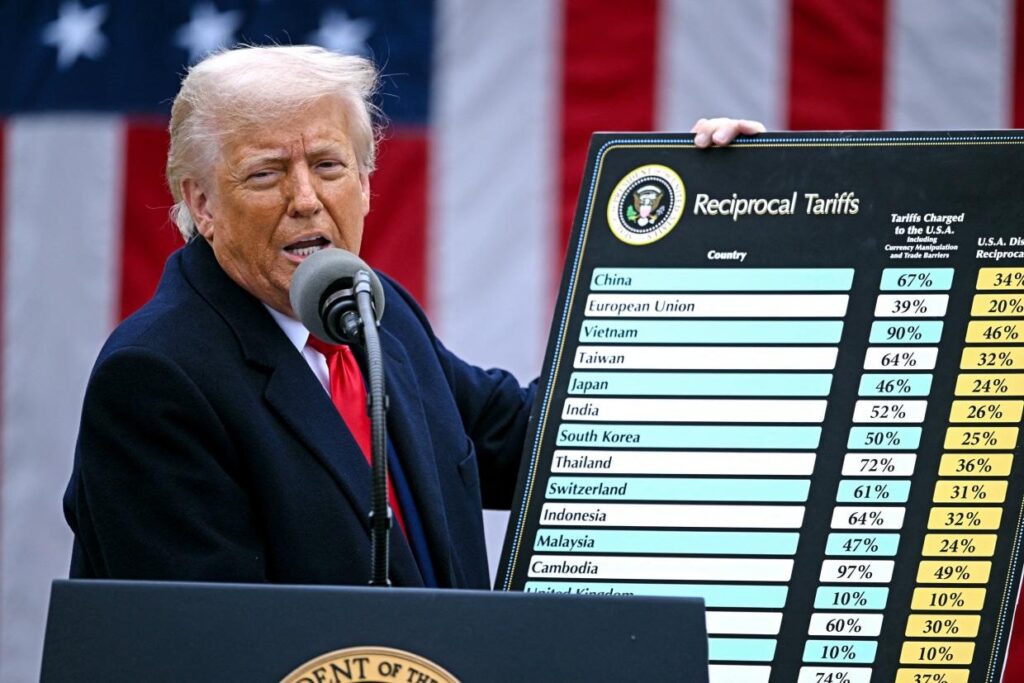
Houston, a pivotal center for energy, manufacturing, and global commerce, is currently facing significant uncertainty due to the tariff threats issued by the Trump administration. These potential trade barriers have sparked widespread concern among local enterprises about disruptions to supply chains, escalating costs, and the possibility of slowed economic momentum. This article delves into how Houston’s industries are responding to these challenges and explores the broader implications for the city’s economic future.
Economic Turbulence Stirs Anxiety Among Houston’s Key Industries
The announcement of prospective tariffs has unsettled Houston’s dynamic business environment, with many companies bracing for unpredictable cost hikes and interruptions in their supply networks. Tariffs targeting a broad spectrum of products—from steel to consumer electronics—have compelled firms to reassess investment strategies and contractual commitments. Sectors such as oil and gas, aerospace, and retail are already experiencing heightened operational uncertainty, with executives expressing concerns about maintaining competitiveness both nationally and internationally.
Primary challenges confronting Houston businesses include:
- Escalating raw material expenses threatening profit margins
- Delays in essential imports disrupting production schedules
- Volatility in international trade relations affecting market stability
- Increased financial risks leading to cautious capital spending
| Sector | Tariff-Related Impact | Business Response |
|---|---|---|
| Energy (Oil & Gas) | Tariffs on steel and specialized equipment | Seeking alternative domestic and international suppliers |
| Aerospace | Rising costs of critical components | Locking in long-term supplier agreements |
| Retail | Increased tariffs on consumer electronics | Adjusting pricing strategies to offset costs |
Insights from Houston’s Industry Specialists on Trade and Supply Chain Disruptions
Experts across Houston’s logistics, manufacturing, and energy sectors warn that the proposed tariffs could trigger a domino effect of challenges throughout the city’s trade and supply chain infrastructure. Rising material costs, shipping delays, and strained supplier partnerships are anticipated to impact both import-reliant operations and export-driven businesses, potentially diminishing Houston’s stature as a global trade nexus.
Recent analyses from industry roundtables reveal several critical trends:
- Decline in cross-border shipments: Forecasts suggest a 10-15% reduction in import/export volumes within the first year following tariff implementation.
- Shift toward local sourcing: Companies are increasingly prioritizing domestic suppliers to reduce tariff exposure and enhance supply chain resilience.
- Rising operational expenses: Higher raw material prices are expected to compress profit margins and necessitate adjustments in pricing models.
| Industry | Projected Impact | Adaptation Measures |
|---|---|---|
| Energy | Moderate delays in supply chains | Investing in domestic supplier networks |
| Manufacturing | Cost increases and potential workforce reductions | Relocating production to overseas facilities |
| Logistics | Capacity constraints and bottlenecks | Expanding warehousing capabilities and upgrading technology |
Strategic Adjustments by Houston Companies to Counteract Tariff Pressures
In response to the looming tariffs, Houston businesses are rapidly evolving their operational frameworks to mitigate financial and logistical risks. Firms heavily dependent on international supply chains—especially in energy, manufacturing, and technology—are intensifying efforts to diversify procurement sources, streamline inventory management, and renegotiate supplier contracts.
Common strategic initiatives include:
- Transitioning procurement toward domestic vendors to reduce tariff exposure
- Investing in automation technologies to lower labor and production costs
- Exploring new international markets to diversify revenue streams
- Implementing flexible pricing models that reflect cost fluctuations
Robust scenario planning has become a cornerstone for many companies, with small and medium-sized enterprises increasingly collaborating with financial consultants to forecast tariff impacts and develop risk mitigation strategies. The table below highlights cost changes experienced by select Houston manufacturers following tariff announcements:
| Company | Costs Before Tariffs | Estimated Costs After Tariffs | Response Strategy |
|---|---|---|---|
| TexPro Industrial | $1.2 million | $1.5 million | Supplier diversification and automation |
| LoneStar Fabricators | $850,000 | $1.1 million | Renegotiating supplier contracts |
| Houston Tech Solutions | $950,000 | $1.2 million | Expanding into alternative markets |
Practical Recommendations for Houston Businesses to Alleviate Tariff Risks
To safeguard operations against tariff-induced disruptions, Houston companies are encouraged to broaden their supplier base, focusing on regions exempt from tariffs to maintain cost stability and production continuity. Leveraging advanced inventory management systems can enable firms to better anticipate demand shifts and avoid excess stockpiling of tariff-affected goods. Staying abreast of evolving trade regulations is crucial for timely adjustments in procurement and pricing strategies.
Financial prudence is equally vital: Engaging with trade specialists and legal counsel can help businesses identify tariff liabilities and capitalize on exemptions or duty drawback programs. Transparent communication with customers regarding price adjustments can preserve profit margins while maintaining trust. Additionally, forming or joining industry alliances can amplify advocacy efforts for equitable trade policies and facilitate shared risk management resources.
| Risk Mitigation Approach | Recommended Actions |
|---|---|
| Supplier Diversification | Identify and partner with suppliers in tariff-free regions |
| Inventory Optimization | Adopt demand forecasting tools and optimize stock levels |
| Financial Strategy | Consult experts, revise pricing, and pursue tariff exemptions |
| Industry Collaboration | Join coalitions, share resources, and advocate for fair trade |
Conclusion: Navigating Houston’s Economic Future Amid Tariff Uncertainty
As Houston’s diverse business sectors confront the challenges posed by potential tariffs, adaptability and strategic foresight remain paramount. While the full extent of the tariffs’ impact is yet to be determined, proactive planning and collaborative efforts will be essential for sustaining the city’s economic vitality. Stakeholders eagerly await forthcoming government decisions that will shape Houston’s trade environment and overall economic trajectory. Ongoing coverage will continue to provide insights into these developments and their implications for the local business community.