
Essential Guide to Securing 504 Plans and IEPs for Texas Students
Distinguishing Between 504 Plans and IEPs in Texas Education
For families in Texas seeking educational support for children with disabilities, two primary frameworks exist: Section 504 Plans and Individualized Education Programs (IEPs). Although both are designed to facilitate access to education, they differ significantly in scope, legal foundation, and the nature of services provided.
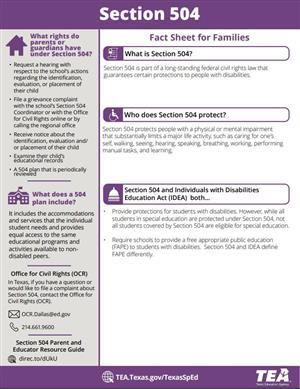
A 504 Plan, governed by Section 504 of the Rehabilitation Act of 1973, ensures that students with disabilities receive necessary accommodations to participate fully in general education settings. Conversely, an IEP, mandated by the Individuals with Disabilities Education Act (IDEA), offers a detailed, legally enforceable plan that includes specialized instruction and related services tailored to the student’s unique learning needs.
Understanding these differences is vital for parents to make informed decisions and collaborate effectively with school personnel. The table below outlines key contrasts:
| Criteria | 504 Plan | IEP |
|---|---|---|
| Legal Framework | Section 504, Rehabilitation Act | IDEA (Individuals with Disabilities Education Act) |
| Eligibility Requirements | Disability substantially limits major life activities | One of 13 specific disabilities affecting educational performance |
| Type of Support | Accommodations and accessibility modifications | Specialized instruction and related services |
| Review Frequency | As needed, flexible | Annually, with formal team meetings |
By grasping these distinctions, families can better advocate for appropriate educational plans, reducing the likelihood of procedural oversights such as missed evaluations or incomplete documentation, which remain common challenges in Texas school districts.
Step-by-Step Guide to Applying for Special Education Services in Texas
Initiating the process to obtain a 504 Plan or IEP can feel overwhelming. The journey begins with a formal evaluation request, which may be submitted by parents, educators, or school administrators. It is crucial to submit this request in writing and retain copies for your records.
Once the request is made, Texas schools have 30 calendar days to determine if an evaluation is necessary. If approved, the school must complete the assessment within the next 60 days. Active parental involvement during meetings and clear communication about eligibility and services are essential throughout this timeline.
Important considerations during the application process include:
- Clarifying plan differences: Recognize that 504 Plans provide accommodations, while IEPs offer specialized instruction tailored to specific disabilities.
- Adhering to deadlines: Timely action prevents delays in receiving critical support.
- Maintaining thorough records: Document all communications, meetings, and evaluations to ensure transparency.
- Consulting experts: Special education advocates or legal professionals can provide valuable guidance navigating complex regulations.
| Process Step | Description | Typical Timeline |
|---|---|---|
| Submit Evaluation Request | Formal written request to school | Day 0 |
| Eligibility Review | School determines need for evaluation | Within 30 days |
| Conduct Evaluation | Multidisciplinary team assessment | Next 60 days |
| Develop Educational Plan | IEP or 504 Plan meeting with parents and staff | Within 15 days post-evaluation |
Overcoming Common Obstacles in Securing Educational Support
Many Texas parents encounter significant challenges when pursuing 504 Plans or IEPs, including deciphering complex legal language, effectively advocating for their child, and managing communication with busy school personnel. These difficulties can lead to delays or denial of necessary services, leaving families feeling frustrated and isolated.
To navigate these barriers, parents should equip themselves with knowledge and utilize available resources. Effective strategies include:
- Gathering comprehensive academic and medical documentation to support eligibility claims
- Requesting written updates and clear communication from school representatives at every stage
- Engaging with advocacy organizations specializing in Texas special education law
- Understanding federal and state rights to ensure informed decision-making
- Participating in workshops and training sessions focused on Texas school policies and procedures
Building a cooperative yet assertive relationship with educators can facilitate timely and appropriate support for the child’s educational journey.
| Challenge | Recommended Approach |
|---|---|
| Complex eligibility standards | Consult with special education lawyers or advocates |
| Inadequate school communication | Demand written correspondence and follow-up emails |
| Limited understanding of legal rights | Attend local seminars and review state educational resources |
| Delays in plan execution | Set explicit deadlines and request regular progress updates |
Valuable Resources and Advocacy Recommendations for Texas Families
Families seeking to navigate the intricacies of 504 Plans and IEPs in Texas can greatly benefit from leveraging specialized resources and adopting strategic advocacy practices. Organizations such as the Texas Education Agency (TEA) and disability rights groups offer comprehensive guidance on eligibility, documentation, and procedural requirements.
Additionally, parent-led support networks like the Texas Parent to Parent Association provide practical insights and community support, empowering families to champion their child’s educational needs confidently.
Effective advocacy hinges on preparation, persistence, and clear communication. Below is a summary of essential advocacy practices:
| Advocacy Focus | Best Practice |
|---|---|
| Record Keeping | Maintain organized copies of all evaluations, notices, and correspondence |
| Deadline Management | Track critical dates to avoid service delays |
| Meeting Preparation | Create agendas and consider bringing an advocate or note-taker |
| Communication | Use respectful, clear language and request clarification when necessary |
Moving Forward: Empowering Texas Families in Special Education
While the journey to obtain a 504 Plan or IEP in Texas can be intricate, a thorough understanding of legal rights, procedural steps, and available resources equips families to advocate effectively for their children. Recent events and workshops in the Houston area have provided parents with valuable tools to identify eligibility, communicate assertively, and avoid common pitfalls within the Texas education system.
As educational landscapes evolve, staying informed and proactive remains paramount to ensuring that every student with disabilities receives the support necessary to thrive academically and socially. Families are encouraged to connect with local advocacy groups, educational professionals, and community networks to sustain ongoing support and guidance.