

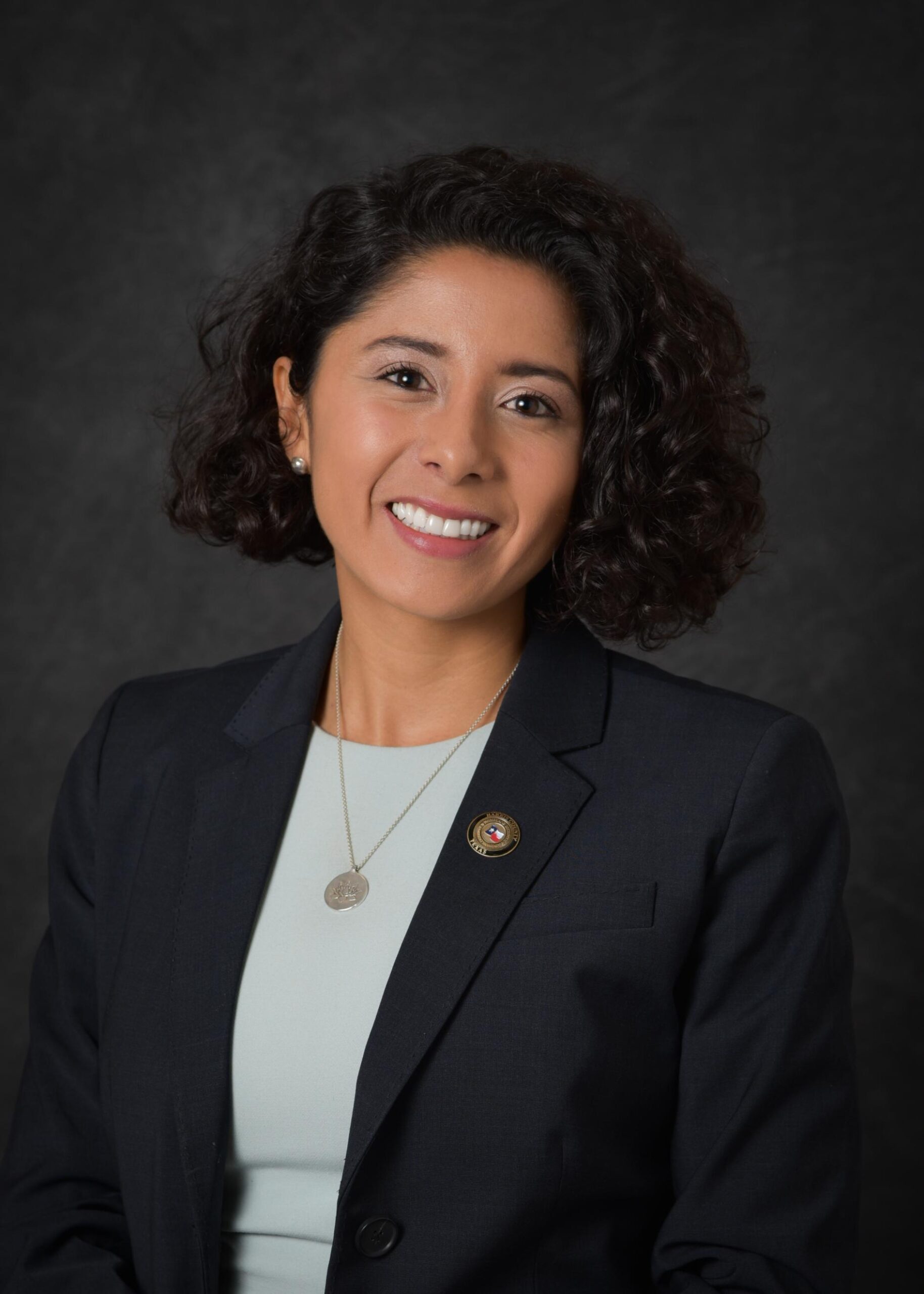
Harris County Judge Lina Hidalgo has voiced strong opposition to recent proposals aimed at reducing funding for early childhood education programs, emphasizing the importance of letting voters decide the future of such initiatives. In a recent opinion piece published by the Houston Chronicle, Hidalgo argues that slashing budgets for children’s education not only undermines the region’s long-term prosperity but also disregards public will. As debates around funding priorities intensify, Hidalgo’s stance highlights the critical role of early learning investments and advocates for a democratic approach to budgetary decisions impacting Houston’s youngest residents.
Lina Hidalgo Advocates Against Budget Cuts for Early Childhood Programs
Lina Hidalgo, the Harris County Judge, stands firmly against proposed budget reductions that threaten funding for early childhood education programs. She argues that cutting these essential services would disproportionately affect the most vulnerable families, undermining efforts to equip children with foundational skills crucial for lifelong success. Hidalgo stresses that such decisions should not be made behind closed doors but rather entrusted to the electorate, allowing voters to express their commitment to investing in their community’s youngest members.
Highlighting the critical role early childhood programs play in fostering cognitive and social development, Hidalgo emphasizes that these initiatives yield long-term economic and societal benefits. Some of the key points she underscores include:
- Improved school readiness: Children enter kindergarten better prepared to learn and thrive.
- Reduced future costs: Early intervention decreases later expenses in remedial education, healthcare, and criminal justice.
- Stronger families: Support programs enhance parental engagement and economic stability.
| Program | Annual Budget | Children Served |
|---|---|---|
| Pre-K Early Start | $5M | 1,200 |
| Family Home Visiting | $3M | 800 |
| Health & Nutrition | $2.5M | 1,000 |
The Role of Voter Participation in Education Funding Decisions
Public involvement plays a crucial part in shaping policies that impact early childhood education. Voter participation ensures that community priorities are reflected accurately in funding decisions, allowing taxpayers to have a direct voice in whether resources are allocated or cut. In Houston, this participatory approach not only fosters transparency but also strengthens democratic accountability, giving parents, educators, and stakeholders an opportunity to advocate for sustained investments in young learners. The collective decision-making process encourages a comprehensive evaluation of the potential consequences of funding reductions, emphasizing the importance of protecting vital programs that support child development and future academic success.
Empowering voters to decide on education funding creates a dynamic platform for civic engagement, where diverse perspectives influence outcomes. When communities engage in debates about budget priorities, it underscores the value they place on early education as a foundational element for economic growth and social equity. Key benefits of voter participation include:
- Enhanced accountability and responsiveness of local leaders.
- Greater public awareness about the significance of early childhood programs.
- Increased likelihood of sustained and equitable funding allocation.
- Encouragement of collaborative solutions to fiscal challenges.
| Impact Area | With Voter Participation | Without Voter Participation |
|---|---|---|
| Transparency | High | Low |
| Funding Stability | More Predictable | Risk of Cuts |
| Community Inclusion | Broad | Limited |
| Policy Alignment | Reflects Voters’ Priorities | Top-down Decisions |
Examining the Impact of Funding Reductions on Houston’s Youngest Learners
Recent reductions in funding for early childhood education programs in Houston have sparked growing concern among educators, parents, and policymakers alike. These cuts threaten to undermine the foundational learning experiences critical for children during their formative years. Early education not only fosters cognitive and social development, but also plays a vital role in bridging opportunity gaps that disproportionately affect low-income and minority communities. The potential scaling back of resources means that fewer children may have access to quality pre-kindergarten services, which could have long-term consequences for academic achievement and overall well-being.
Key implications of funding cuts include:
- Reduced availability of affordable childcare, burdening working families
- Lower teacher-to-student ratios, impacting individual attention
- Decreased access to specialized programs that support language development and social-emotional skills
- Potential rise in educational disparities across socioeconomic groups
| Funding Level | Projected Enrollment | Teacher-Student Ratio |
|---|---|---|
| Current | 12,000 | 1:10 |
| Reduced by 20% | 9,500 | 1:15 |
| Reduced by 40% | 7,000 | 1:20 |
As Houston faces these funding challenges, community leaders and advocates emphasize the importance of allowing voters to have a direct say in the allocation of resources for early childhood education. Empowering the public to weigh in on budgeting decisions ensures that the needs of the city’s youngest and most vulnerable residents are prioritized, reflecting a commitment to equitable opportunity for all children.
Strategies to Mobilize Community Support for Early Childhood Education Investments
Building broad-based community support starts with transparent, inclusive dialogue that informs voters about the tangible benefits of investing in early childhood education. Local leaders and advocates can host town halls, workshops, and interactive forums where parents, educators, and business owners share personal stories and data demonstrating the long-term economic and social returns of such funding. Engagement through storytelling and accessible statistics creates a compelling narrative that moves beyond numbers to human impact, fostering empathy and urgency among community members.
Grassroots mobilization also thrives on a strategic coalition of diverse stakeholders who amplify the message across various platforms. This includes:
- Faith-based organizations integrating early education advocacy in their community outreach.
- Local media campaigns providing continuous coverage and editorials.
- Parent ambassadors actively recruiting neighbors and sharing experiences face-to-face.
- Social media initiatives leveraging visual content and real-time updates to attract younger demographics.
These coordinated efforts, when aligned with a clear ballot measure, empower voters to make informed decisions and reinforce the message that cutting early childhood education funding undermines the community’s future prosperity.
Insights and Conclusions
As the debate over early childhood education funding continues to unfold, Harris County Judge Lina Hidalgo’s stance emphasizes the importance of allowing voters to have a direct say in decisions that impact young children’s futures. Rejecting budget cuts and advocating for community involvement, Hidalgo underscores a growing recognition that investing in early education is not only a matter of fiscal policy but also a vital step toward fostering long-term social and economic benefits. The coming months will reveal how this issue resonates with voters, potentially shaping the direction of educational funding and priorities in the region.