
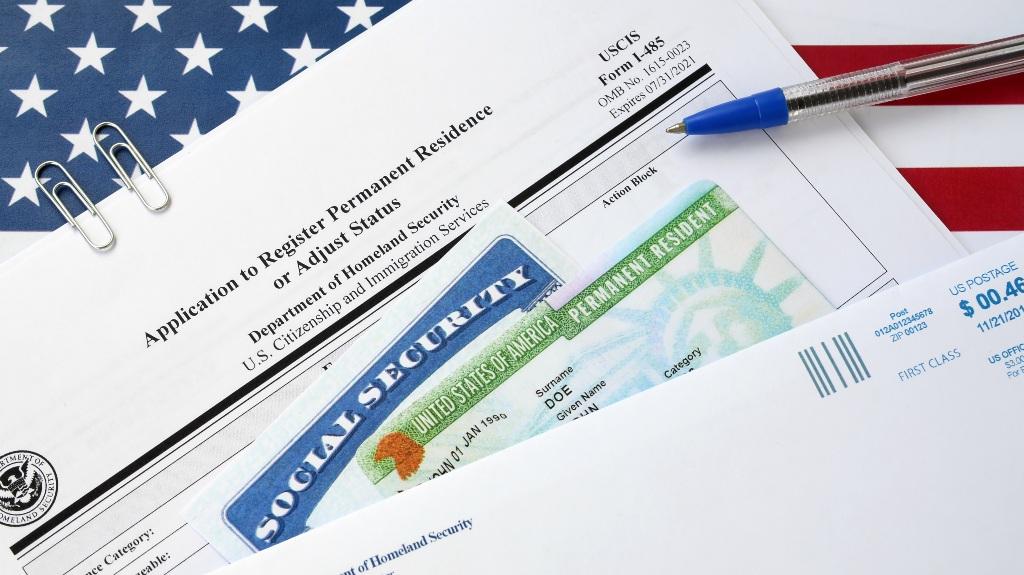
Redefining Citizenship Criteria: USCIS Incorporates Societal Norms in Naturalization Process
The U.S. Citizenship and Immigration Services (USCIS) has recently revised its naturalization evaluation framework to include an applicant’s conformity with societal norms. This policy update, detailed in a newly issued memorandum, highlights the importance of not only legal compliance but also the demonstration of respect for community values, civic participation, and social conduct. The agency’s objective is to ensure that prospective citizens embody the cultural principles that sustain American society alongside their legal qualifications.
Under this broadened assessment, applicants will be evaluated on several new dimensions, including:
- Active involvement in community service or volunteer initiatives
- Compliance with local laws and customs beyond statutory requirements
- Exhibition of respectful interpersonal behavior and effective communication
- Awareness and acceptance of cultural diversity and societal expectations
| Evaluation Aspect | Focus Area |
|---|---|
| Community Participation | Level and quality of engagement |
| Legal and Social Compliance | Adherence to laws and societal customs |
| Cultural Sensitivity | Demonstrated respect for diversity |
| Conduct and Civility | Respectful interactions within society |
This evolution in USCIS’s naturalization standards reflects a commitment to nurturing a cohesive and respectful citizenry while maintaining the integrity of the immigration system.
Effects of the New USCIS Guidelines on Immigration Applicants and Legal Professionals
The introduction of societal norm adherence as a factor in citizenship decisions represents a substantial change in USCIS’s evaluation process. This expanded scope requires adjudicators to assess applicants’ social integration and behavioral patterns alongside traditional legal criteria. Immigration attorneys caution that this could introduce greater subjectivity into decision-making, potentially impacting thousands of applicants whose personal lifestyles or cultural backgrounds may not align neatly with broadly defined societal expectations.
Legal experts emphasize the ambiguity surrounding what precisely constitutes acceptable conformity, as the USCIS memo offers limited specifics. Officers are advised to consider factors such as:
- Engagement in civic and community activities
- Respect for both legal statutes and local customs
- Evidence of good moral character extending beyond mere legal compliance
| Factor | Description | Influence on Application |
|---|---|---|
| Community Engagement | Participation in volunteer work or local initiatives | Favorable consideration |
| Behavioral Standards | Conformity to unwritten social expectations | Subject to scrutiny |
| Moral Character | Assessment beyond criminal history | Crucial for approval |
As this policy takes effect, legal communities advocate for clearer definitions and procedural safeguards to prevent potential biases or discriminatory outcomes. Applicants may increasingly seek legal guidance to effectively present their social integration and character in alignment with these nuanced criteria.
Debates and Controversies Surrounding Societal Norms in Naturalization Decisions
The USCIS’s decision to factor societal norms into citizenship evaluations has sparked considerable discussion. Critics argue that the concept of “societal norms” is inherently fluid and subjective, varying significantly across regions and communities, which could jeopardize fairness and consistency in naturalization outcomes. There is also concern that implicit biases may influence adjudicators, disproportionately affecting applicants from diverse cultural or marginalized backgrounds. Legal analysts warn that without explicit, standardized criteria, this approach may lead to increased legal challenges and uncertainty.
Conversely, proponents contend that incorporating societal norm assessments can encourage deeper integration and shared civic values, fostering stronger community bonds. The central challenge lies in balancing objective legal standards with culturally sensitive evaluations. Key issues include:
- Vagueness: The absence of precise definitions risks arbitrary enforcement.
- Cultural Misunderstandings: Risk of penalizing cultural expressions unfamiliar to evaluators.
- Transparency and Accountability: Necessity for clear guidelines and appeal processes to protect applicant rights.
| Dimension | Potential Consequence | Recommended Action |
|---|---|---|
| Legal Precision | Unclear standards | Develop uniform guidelines |
| Diversity Impact | Unequal treatment risks | Implement bias awareness training |
| Community Dynamics | Inclusion versus exclusion | Create inclusive norm frameworks |
Strategies for Applicants to Align with the New USCIS Societal Norms Requirements
Prospective citizens should familiarize themselves thoroughly with the updated USCIS guidelines and prepare to demonstrate their alignment with the expanded societal expectations. This involves showcasing good moral character, active community participation, and respect for U.S. laws and cultural practices. Consulting with immigration attorneys can be invaluable in interpreting these nuanced standards and effectively presenting one’s background and experiences. Staying updated through credible sources will also help applicants anticipate and address potential challenges during the naturalization process.
Recommended practical steps include:
- Collect detailed documentation such as letters of support, records of volunteer work, and proof of steady employment.
- Maintain a spotless legal record to avoid any concerns related to societal compliance.
- Engage actively with local organizations to demonstrate positive societal contributions and moral integrity.
- Prepare thoroughly for civics and English exams with an emphasis on understanding cultural and legal expectations embedded in the new criteria.
| Preparation Tip | Benefit |
|---|---|
| Document community service | Highlights social integration |
| Seek legal advice | Clarifies complex policy nuances |
| Practice civics questions | Improves cultural literacy |
| Review personal legal history | Demonstrates good moral character |
Conclusion: Reflections on the Evolving Citizenship Criteria
As USCIS incorporates societal norms into its citizenship evaluation process, applicants encounter a more comprehensive scrutiny that could significantly influence naturalization outcomes. This policy evolution highlights the agency’s intent to align legal qualifications with cultural integration, yet it also raises important questions about fairness, clarity, and consistency. The ongoing discourse underscores the need for transparent application of these standards and vigilant protection of immigrant rights as the naturalization landscape adapts to these new expectations.