
Houston’s Wastewater Surveillance Uncovers Measles Virus Before Confirmed Cases
In a pioneering public health development, scientists at Baylor College of Medicine (BCM) have identified genetic traces of the measles virus in Houston’s wastewater weeks prior to any officially confirmed infections. This discovery underscores the transformative potential of wastewater-based epidemiology as a frontline defense in detecting infectious diseases early, enabling health authorities to act swiftly and prevent widespread transmission of this highly contagious illness.
Early Detection of Measles Through Sewage Monitoring in Houston
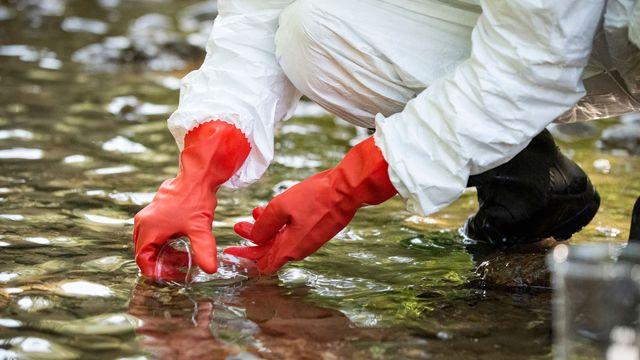
Houston’s innovative wastewater surveillance initiative, led by BCM researchers, successfully detected measles virus RNA fragments in sewage samples collected from multiple treatment facilities across the city. Remarkably, these viral markers were present approximately 10 days before clinical diagnoses were reported, providing a valuable window for preemptive public health action.
Key observations from the surveillance include:
- Consistent detection of measles RNA over a fortnight, indicating ongoing viral circulation
- Correlation between sampling sites and neighborhoods subsequently reporting measles cases
- Early identification enabling targeted interventions such as vaccination drives and public education
The table below summarizes the timeline of viral detection and corresponding public health responses:
| Wastewater Site | Date of Viral Detection | Date of Reported Cases | Immediate Public Health Measures |
|---|---|---|---|
| North Houston Treatment Plant | May 3 | May 13 | Deployment of mobile vaccination units |
| East Houston Facility | May 5 | May 15 | Launch of community awareness campaigns |
| West Houston Sewage Network | May 6 | May 16 | Enhanced contact tracing efforts |
Advantages of Wastewater Surveillance Highlighted by Baylor Researchers
BCM experts emphasize that early detection through wastewater analysis offers a strategic advantage in infectious disease management. By identifying viral RNA in sewage before symptomatic cases emerge, public health officials gain critical lead time to implement containment measures, potentially reducing the scale and severity of outbreaks.
Benefits of this surveillance approach include:
- Continuous Monitoring: Provides up-to-date insights into viral prevalence across communities.
- Non-Invasive Sampling: Avoids the need for individual testing, reducing discomfort and logistical challenges.
- Cost-Effective: Requires fewer resources compared to widespread clinical testing campaigns.
- Early Warning Capability: Detects viral presence before clinical symptoms prompt testing.
These strengths advocate for integrating wastewater surveillance into routine public health strategies, transforming early detection from an exception into a standard practice.
| Metric | Effect on Outbreak Management |
|---|---|
| Lead Time for Detection | Approximately 7–10 days before clinical case confirmation |
| Sampling Frequency | Twice weekly |
| Geographic Coverage | Multiple districts within Houston |
| Response Acceleration | Enhanced by early alerts from wastewater data |
Implications for Public Health: Leveraging Environmental Surveillance Against Measles
The detection of measles virus in wastewater prior to clinical case reports demonstrates the immense value of environmental surveillance in infectious disease control. This approach captures viral shedding from symptomatic and asymptomatic individuals alike, offering a comprehensive snapshot of community-level transmission that traditional clinical reporting may miss or delay.
Incorporating wastewater data into public health monitoring systems offers several advantages:
- Real-Time Epidemiological Insights: Enables dynamic tracking of viral spread without dependence on patient testing rates.
- Broad Population Coverage: Detects infections across entire communities, including silent carriers.
- Resource Optimization: Reduces the need for costly and labor-intensive mass testing.
When combined with conventional surveillance methods, wastewater monitoring strengthens outbreak prediction and response frameworks, facilitating timely vaccination campaigns and resource deployment.
| Surveillance Technique | Advantages | Limitations |
|---|---|---|
| Wastewater Analysis | Early detection, community-wide coverage | Cannot identify individual infected persons |
| Clinical Case Reporting | Precise case identification | Often delayed and underreported |
| Serological Testing | Assesses immunity levels | Expensive and conducted intermittently |
Strategies to Strengthen Surveillance and Vaccination Initiatives
In light of the early detection of measles virus RNA in Houston’s wastewater, it is imperative for public health agencies to enhance surveillance infrastructure. Expanding the number of sampling locations, increasing the frequency of wastewater testing, and integrating environmental data with clinical and social metrics will create a robust, real-time picture of measles transmission dynamics.
Advanced molecular tools such as digital PCR and next-generation sequencing can refine detection sensitivity and enable identification of viral variants, facilitating targeted interventions before outbreaks escalate.
Equally important is the amplification of vaccination efforts. Tailored outreach programs that address vaccine hesitancy, deploy mobile immunization clinics, and engage trusted community leaders are essential to improving coverage, especially in underserved populations.
| Focus Area | Recommended Actions | Anticipated Outcomes |
|---|---|---|
| Expanded Wastewater Testing | Increase sampling sites and testing frequency | Faster detection and containment of outbreaks |
| Community Outreach | Implement culturally sensitive education and mobile vaccination units | Improved vaccine uptake among high-risk groups |
| Data Integration | Combine environmental, clinical, and social data streams | Enhanced outbreak forecasting and resource allocation |
Conclusion: The Future of Measles Surveillance and Prevention in Houston
The early identification of measles virus in Houston’s wastewater prior to any confirmed clinical cases highlights the critical role of environmental surveillance in infectious disease control. Baylor College of Medicine’s research demonstrates that wastewater monitoring can serve as a vital early warning system, enabling health officials to implement timely interventions that may prevent large-scale outbreaks.
As public health authorities continue to refine surveillance techniques and bolster vaccination campaigns, maintaining vigilance through integrated monitoring systems will be essential to safeguarding communities against measles resurgence and other infectious threats.