
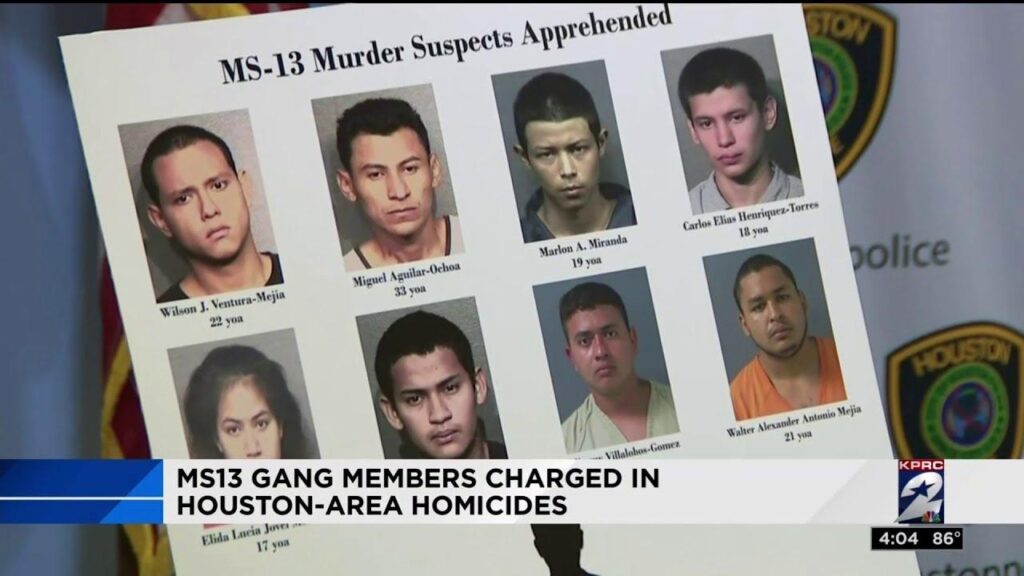
MS-13 Gang Members Admit to Multiple Homicides in Houston
In a significant breakthrough in Houston’s fight against violent crime, several individuals affiliated with the notorious MS-13 gang have confessed to participating in a series of homicides across the city. These admissions, disclosed through court filings and law enforcement briefings, are part of a broader probe into the gang’s extensive criminal network that has long destabilized various Houston communities. The confessions shed light on the gang’s ruthless tactics and reinforce the urgency of ongoing law enforcement efforts to dismantle their operations.
Highlights from the gang members’ statements include:
- Deliberate assaults targeting residential suburbs.
- Systematic use of violence to maintain territorial dominance.
- Coordinated efforts among different cells to avoid detection by authorities.
- Enlistment of minors to sustain and expand gang influence.
| Incident | Victim | Date | Case Status |
|---|---|---|---|
| Highway 6 Shooting | Male Teenager | March 15, 2024 | Confession Obtained |
| East Houston Assault | Adult Male | April 2, 2024 | Ongoing Investigation |
| Baytown Incident | Adult Female | April 20, 2024 | Confession Obtained |
The Ripple Effects of MS-13 Violence on Houston’s Communities and Families
Neighborhoods suffer deeply when gang-related violence escalates, as seen in Houston’s recent spate of MS-13 crimes. The resulting atmosphere of fear discourages residents from engaging in community life or cooperating with police, while local commerce often declines due to safety concerns. Educational institutions near affected areas face interruptions, negatively impacting students’ academic progress and well-being.
Families bear the emotional and psychological toll of such violence, with the murder of a teenager serving as a stark reminder of the human cost. Survivors frequently grapple with long-lasting trauma, including anxiety, depression, and social isolation. The stigma associated with gang involvement can further marginalize families, complicating recovery efforts and straining community support systems. Key impacts include:
- Growing mistrust toward law enforcement agencies
- Disrupted schooling and diminished educational outcomes
- Economic hardships due to reduced local business activity
- Increased prevalence of mental health issues
| Area of Impact | Community Consequences | Family Consequences |
|---|---|---|
| Public Safety | Decline in outdoor activities and public gatherings | Persistent fear and emotional distress |
| Education | Increased absenteeism and classroom disruptions | Loss of future opportunities for youth |
| Economic Stability | Business closures and reduced investment | Financial strain from loss of income earners |
| Mental Health | Community-wide psychological trauma | Chronic grief and stress disorders |
Tactical Law Enforcement Measures Targeting MS-13 in Houston
In response to the escalating violence, local and federal agencies have ramped up their cooperative efforts, employing cutting-edge surveillance tools, intelligence-sharing networks, and community policing models to disrupt MS-13’s criminal enterprises. Specialized task forces have been established to focus on dismantling the gang’s communication channels and financial resources. These operations are supported by enhanced informant programs and covert missions that infiltrate gang leadership, yielding vital evidence for prosecutions.
Beyond enforcement, authorities prioritize community outreach to prevent gang recruitment, especially among vulnerable youth. Initiatives include educational campaigns in schools, collaborations with grassroots organizations, and comprehensive victim assistance programs aimed at mitigating the broader social consequences of gang violence. The multi-pronged strategy includes:
| Approach | Details | Outcomes |
|---|---|---|
| Joint Task Forces | Combined efforts of local, state, and federal law enforcement | Higher arrest rates and operational disruption |
| Advanced Surveillance | Utilization of drones, wiretaps, and data analytics | Improved real-time monitoring of suspects |
| Community Engagement | School-based programs and neighborhood outreach | Lowered youth gang recruitment |
| Victim Assistance | Counseling services and legal aid | Enhanced cooperation with law enforcement |
- Information-sharing platforms enable synchronized responses across multiple jurisdictions.
- Undercover operations have successfully penetrated gang ranks, leading to critical confessions.
- Community partnerships foster trust essential for proactive crime prevention.
Preventative Community Efforts and Policy Proposals to Curb Gang Violence
Addressing gang violence, such as the recent MS-13 crime wave in Houston, demands a comprehensive strategy centered on community involvement and supportive public policies. Municipal authorities, educational institutions, and nonprofit organizations must invest in programs that provide at-risk youth with constructive alternatives to gang life. These include mentorship schemes, academic assistance, vocational training, and accessible mental health care. Culturally competent outreach is critical to building trust and breaking recruitment cycles in vulnerable neighborhoods.
Policy frameworks should emphasize collaboration between law enforcement and community groups, uphold civil liberties, and prioritize rehabilitation over punitive incarceration. Enhanced data integration and early warning systems can help identify emerging threats and optimize resource allocation. Below is an overview of proven community and policy interventions effective in urban settings comparable to Houston:
| Intervention | Description | Effectiveness |
|---|---|---|
| Mentorship Initiatives | Connecting youth with positive adult mentors | Up to 30% reduction in gang involvement |
| Academic Support | After-school tutoring and scholarship programs | Higher graduation rates and reduced dropout |
| Employment Training | Skill-building and job placement services | Lower youth unemployment and recidivism |
| Mental Health Care | Trauma-informed counseling and crisis support | Decreased violent behavior incidents |
| Community Policing | Collaborative partnerships between officers and residents | Improved trust and increased crime reporting |
Conclusion
The recent admissions by MS-13 members concerning a series of violent offenses in Houston, including the heartbreaking killing of a teenager, highlight the persistent challenges faced by law enforcement in curbing gang-related crime. Investigations continue to unravel the full scope of these activities, with authorities committed to holding all responsible parties accountable. As the community grapples with these unsettling developments, officials stress the critical need for vigilance, cooperation, and comprehensive strategies to restore safety and resilience in affected neighborhoods.