
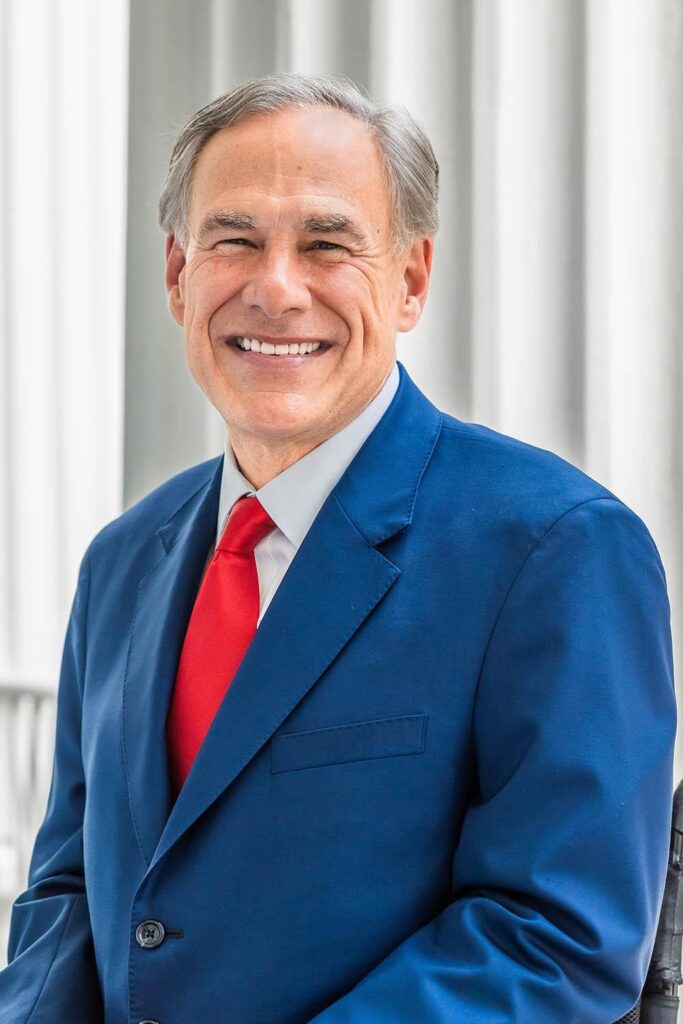
Texas Launches New Task Force to Tackle Rising Violent Crime in Houston
Governor Abbott Initiates Coordinated Effort to Reduce Violence in Houston
In response to a notable increase in violent offenses throughout Houston, Texas Governor Greg Abbott has announced the creation of a dedicated task force focused on combating this troubling trend. This initiative represents a collaborative effort involving state, local, and federal law enforcement agencies working in unison to strengthen public safety measures. The task force is designed to employ a strategic, intelligence-driven approach that emphasizes swift intervention, enhanced information sharing, and targeted disruption of criminal enterprises, particularly those linked to gun violence and organized crime within the Houston metropolitan area.
Key operational pillars of the task force include:
- Advanced Monitoring Systems: Deployment of cutting-edge surveillance tools to detect and prevent criminal activities.
- Community Collaboration: Fostering partnerships with neighborhood groups to build trust and encourage citizen involvement.
- Analytical Policing: Utilizing crime data analytics to anticipate and address emerging threats proactively.
- Rapid Deployment Units: Specialized teams trained to respond immediately to violent incidents.
Initial coordination efforts are already underway with the Houston Police Department and Texas Rangers, focusing on ongoing investigations related to armed robberies and gang violence. The overarching goal is not only to apprehend offenders but also to restore a sense of security for Houston’s residents.
| Task Force Element | Function | Anticipated Result |
|---|---|---|
| Surveillance Technology | Monitoring crime trends | Timely identification of threats |
| Community Outreach | Strengthen citizen-law enforcement relations | Greater public cooperation |
| Data Analytics | Guide resource deployment | More effective crime prevention |
| Rapid Response Teams | Immediate incident intervention | Mitigation of violent crime impact |
Strategic Goals and Implementation Plans from the Governor’s Office
The Governor’s administration has outlined clear objectives aimed at reversing the upward trend in violent crime across Houston. Central to this plan is the establishment of a multi-agency task force that enhances collaboration and resource sharing among law enforcement bodies. The initiative prioritizes intelligence integration, rapid tactical responses, and community involvement to address the underlying factors contributing to violence.
Additional support measures include the allocation of advanced forensic tools and specialized training programs for officers operating in high-risk areas. The operational blueprint features:
- Increased patrol presence in neighborhoods identified as crime hotspots during critical times.
- Undercover operations aimed at penetrating and dismantling criminal organizations.
- Strengthened alliances with community groups to promote violence prevention and build trust.
- Ongoing performance assessments using data analytics to refine tactics and ensure accountability.
| Goal | Deadline | Measurement Criteria |
|---|---|---|
| Achieve a 15% reduction in violent crime | Within 6 months | Crime statistics in targeted areas |
| Enhance inter-agency cooperation | Within 3 months | Number of joint operations |
| Initiate public education campaigns | Within 1 month | Community engagement levels |
Community Response and Stakeholder Perspectives on the Crime Reduction Initiative
The announcement of the violent crime task force has elicited a range of reactions from Houston’s diverse communities. Many neighborhood leaders express cautious optimism, hopeful that the increased law enforcement presence will lead to safer streets and fewer violent incidents. Conversely, some advocacy groups raise concerns about potential over-policing and the risk of disproportionate impacts on minority populations, calling for transparency and inclusive community involvement in the task force’s operations.
Law enforcement officials have largely welcomed the initiative, anticipating that enhanced resources and inter-agency collaboration will improve response times and investigative outcomes. A recent survey conducted across various Houston districts reveals the following sentiments:
| Group | Support Percentage | Primary Concerns |
|---|---|---|
| Neighborhood Associations | 75% | Desire for community input |
| Local Business Owners | 60% | Effects on commercial areas |
| Activist Organizations | 40% | Risk of racial profiling |
| Law Enforcement Personnel | 90% | Availability of adequate resources |
City officials have committed to incorporating community feedback through public forums and regular updates, aiming to maintain transparency and build public trust as the task force progresses.
Expert Insights on Comprehensive Crime Reduction Strategies
Crime prevention specialists advocate for a holistic approach that extends beyond traditional law enforcement tactics. Central to their recommendations is the cultivation of strong partnerships between police and community members to foster mutual trust and facilitate intelligence sharing. Addressing social determinants such as mental health support and affordable housing is also emphasized as vital to reducing the root causes of criminal behavior.
Experts further highlight the importance of youth-focused programs that provide mentorship and constructive alternatives to at-risk populations, helping to divert potential offenders early. They also recommend the adoption of transparent, data-driven policing methods combined with enhanced officer training in de-escalation and cultural awareness to improve community relations and reduce conflict.
Additional expert suggestions include the formation of specialized rapid-response units for high-crime neighborhoods and increased collaboration with federal agencies to dismantle organized crime networks effectively. Key strategies include:
- Building community-police partnerships to enhance cooperation and trust
- Investing in social services such as mental health care and housing stability
- Implementing youth engagement programs focused on education and mentorship
- Utilizing data-driven policing to allocate resources efficiently and fairly
- Providing advanced training for officers in de-escalation and cultural competence
- Establishing rapid-response teams specialized in proactive crime intervention
Conclusion: Monitoring the Impact of Houston’s New Crime Task Force
As Governor Abbott’s violent crime task force begins its mission in Houston, both officials and residents will be watching closely to assess its effectiveness in enhancing public safety. While specific outcomes and detailed strategies are still emerging, this initiative signals a renewed dedication to confronting the challenges posed by violent crime in one of Texas’s largest urban centers. Stay tuned for ongoing coverage and updates as the task force’s efforts develop in the coming months.