
Houston’s Innovative Approaches to Navigating Texas’ Sports Betting Restrictions
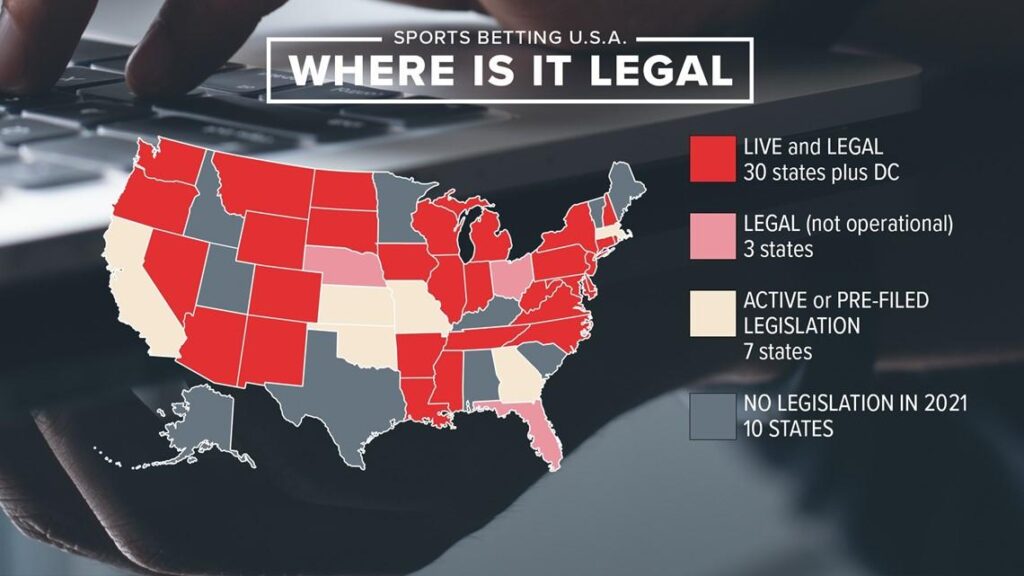
Despite Texas maintaining some of the nation’s most stringent prohibitions on widespread sports wagering, many residents of Houston are discovering creative, lawful methods to engage in sports betting by leveraging gaps in current legislation. This surge in alternative betting activity raises critical questions about the effectiveness of existing laws and the challenges regulators face in curbing unauthorized gambling in the state, which ranks second in population nationwide. This article explores how Houston bettors are exploiting legal ambiguities to participate in sports betting, while lawmakers and enforcement agencies struggle to keep pace with these evolving dynamics.
How Houston Residents Circumvent Sports Betting Bans Through Legal Loopholes
With Texas firmly restricting formal sports betting, Houstonians have increasingly sought out unconventional avenues to partake in what is estimated to be a multi-billion-dollar industry. By capitalizing on undefined or unenforced areas of the law, bettors operate in a gray zone where technology and legal uncertainty intersect. Popular tactics include accessing offshore betting websites, utilizing proxy bettors, and engaging in peer-to-peer wagering platforms. These methods thrive in the absence of explicit prohibitions or regulatory oversight, effectively creating an underground market that operates beyond the reach of state authorities.
Common Techniques Employed by Houston Sports Bettors:
- Using virtual private networks (VPNs) to access offshore sportsbooks located outside Texas jurisdiction
- Participating in private betting circles that fall outside regulated sportsbook frameworks
- Leveraging mobile applications classified as casual gaming rather than formal gambling
- Hiring intermediaries to place bets on their behalf, circumventing direct state restrictions
| Betting Method | Legal Uncertainty | Prevalence |
|---|---|---|
| Offshore Betting Sites | Jurisdictional challenges | Widespread |
| Peer-to-Peer Betting | Unregulated private transactions | Moderate |
| Proxy Betting Services | Third-party involvement | Increasing |
As legislative discussions continue regarding potential legalization, the persistence of these gray-market activities exerts pressure on policymakers to clarify and modernize gambling laws. Meanwhile, Houston’s sports fans continue to exploit the intersection of technology and legal ambiguity to maintain access to sports wagering opportunities.
Economic Consequences of Unregulated Sports Betting on Houston and Surrounding Areas
The proliferation of unregulated sports betting in Houston has significant economic implications for local communities. With no statewide legalization of official sportsbooks, substantial betting revenue is diverted to offshore and informal platforms, depriving Texas of millions in potential tax income. This loss of revenue limits funding for essential public services such as education, healthcare, and infrastructure development. Furthermore, unregulated operators often lack consumer safeguards, exposing bettors to increased risks of fraud and financial harm, particularly among vulnerable populations.
Key Economic and Social Challenges Identified:
- Growth of untaxed, informal betting economies
- Rising incidence of gambling addiction without adequate support systems
- Reduced public funding due to lost tax revenues
| Area of Impact | Effects of Unregulated Betting | Benefits of a Regulated Market |
|---|---|---|
| State Tax Revenue | Millions lost annually in untaxed wagers | Increased funding for public programs and infrastructure |
| Consumer Protection | Higher vulnerability to scams and fraud | Enhanced safeguards and dispute resolution mechanisms |
| Public Health | Limited access to addiction treatment and prevention | Dedicated resources for responsible gambling initiatives |
Obstacles Texas Legislators Face in Closing Sports Betting Loopholes
Texas lawmakers encounter a multifaceted set of challenges as they attempt to tighten controls over sports betting. Rapid technological advancements have outstripped the pace of legislative updates, allowing offshore and ambiguous platforms to flourish. Additionally, political divisions and lobbying by stakeholders benefiting from the current loopholes complicate efforts to reach consensus on reform. The tension between state sovereignty and federal oversight further complicates regulatory clarity, while limited enforcement budgets constrain the ability to police illegal betting effectively.
Key hurdles include:
- Unclear legal definitions that fail to categorize emerging betting methods definitively
- Technological gaps exploited by offshore operators and proxy services
- Political fragmentation impeding unified legislative action
- Insufficient resources allocated to enforcement agencies
| Challenge | Consequences | Proposed Solutions |
|---|---|---|
| Technology Outpacing Legislation | Difficulty monitoring and regulating bets | Frequent legislative reviews and updates |
| Ambiguous Legal Language | Exploitation of vague statutes | Clear, precise statutory definitions |
| Political Disunity | Legislative stalemates | Cross-party collaboration and stakeholder engagement |
Effective Regulatory Approaches to Manage Emerging Sports Betting Trends
To keep pace with the rapidly changing sports betting environment, regulators must implement comprehensive strategies that address both current loopholes and anticipate future developments. Utilizing advanced data analytics tools can enable real-time monitoring of betting patterns, facilitating early detection of suspicious or illegal activity. Crafting flexible, forward-looking legislation that encompasses new technologies—such as decentralized betting platforms and mobile apps—is essential to closing gaps before they are exploited.
Collaboration between state regulators, federal agencies, and industry participants is critical to sharing intelligence and coordinating enforcement efforts. Public education campaigns aimed at raising awareness about the risks of unlicensed operators and promoting responsible gambling can further protect consumers. Regular compliance audits and mandatory reporting requirements will help maintain market integrity and operator accountability.
| Regulatory Measure | Expected Benefit |
|---|---|
| Real-Time Data Surveillance | Prompt identification of illicit betting activities |
| Adaptive Legal Frameworks | Reduction of exploitable loopholes and future-proof policies |
| Interagency and Industry Cooperation | Streamlined enforcement and intelligence sharing |
| Consumer Awareness Initiatives | Lowered risk of exploitation and increased responsible betting |
| Routine Compliance Checks | Ensured operator transparency and market fairness |
Final Thoughts: The Path Forward for Sports Betting in Texas
As Texas continues to wrestle with the complexities of regulating sports betting, Houston residents are actively navigating existing legal loopholes to maintain access to wagering opportunities. While lawmakers deliberate on comprehensive regulatory frameworks, the current environment underscores the urgent need for clear, consistent legislation that balances consumer protection, economic benefits, and enforcement feasibility. Staying informed on these developments is crucial for all stakeholders as Texas moves toward a more transparent and secure sports betting landscape.