
Reevaluating Safety in Houston’s East End Community
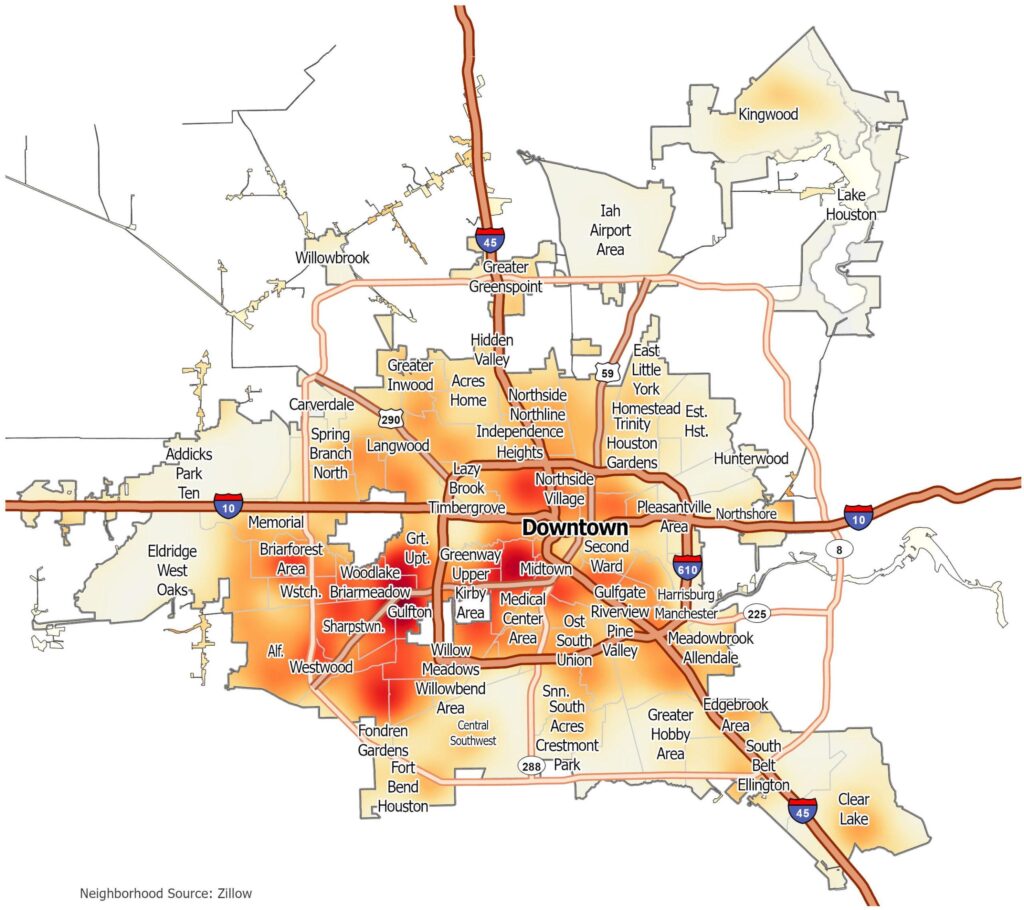
Houston’s East End has recently become a focal point on social media, often portrayed as a hotspot for crime and urban decline. Yet, these viral narratives frequently overlook the broader context and official data. A thorough review of recent crime reports reveals a more balanced and less alarming reality. While some crime categories have experienced minor upticks, the overall safety profile of the neighborhood remains comparable to, or better than, many adjacent districts. It is important to differentiate between sensationalized incidents and the everyday experiences of residents.
Highlights from the latest crime data include:
- 8% reduction in property-related offenses
- Violent crime rates holding steady with a slight 2% increase
- 15% growth in safety reports due to enhanced community policing efforts, indicating heightened awareness rather than increased danger
| Crime Category | 2023 Cases | 2022 Cases | Percentage Change |
|---|---|---|---|
| Burglary | 120 | 130 | -8% |
| Assault | 45 | 44 | +2% |
| Vehicle Theft | 70 | 75 | -7% |
Decoding Crime Data to Challenge Common Misconceptions
Despite the widespread belief fueled by viral social media content, a detailed analysis of crime statistics paints a different picture. Violent crime rates in the East End, including assaults and robberies, fall below Houston’s citywide averages, contradicting the portrayal of the area as a crime hotspot. Most high-profile incidents are isolated and do not reflect ongoing trends. This evidence highlights the necessity of moving beyond exaggerated online stories to grasp the true safety conditions.
Examining property crimes such as burglaries and auto thefts reveals minor variations but generally aligns with typical urban crime patterns. The table below compares the neighborhood’s crime rates with Houston’s overall figures per 1,000 residents over the past year:
| Crime Type | East End Rate (per 1,000 residents) |
Houston Citywide Rate (per 1,000 residents) |
|---|---|---|
| Violent Crime | 3.8 | 5.2 |
| Property Crime | 12.7 | 11.9 |
| Auto Theft | 4.1 | 3.9 |
By understanding these statistics, both current residents and those considering moving to the area can make decisions grounded in fact rather than fear. Law enforcement agencies emphasize that ongoing community engagement and strategic policing are key to maintaining and improving safety, dispelling the myths that have unfairly tarnished the neighborhood’s image. This data invites a broader dialogue about urban crime complexities, misinformation, and the resilience of communities.
Expert Insights on Crime Trends and Their Impact on the Community
Criminologists and local analysts stress the importance of separating perception from reality when interpreting crime data, especially for neighborhoods that have gained notoriety online. Dr. Maria Lopez, a University of Houston criminologist, notes, “Social media often magnifies isolated incidents, overshadowing the overall crime trends that show stability or decline.” Experts point out that occasional spikes in minor offenses do not necessarily indicate a worsening situation but rather reflect normal urban fluctuations.
Community advocates also caution about the broader repercussions of negative online portrayals. Beyond safety concerns, such reputational damage can influence property values, school enrollment numbers, and the general morale of residents. The following table illustrates recent crime trends alongside community initiatives that have contributed to positive changes:
| Year | Reported Crime Incidents | Year-over-Year Change | Community Actions |
|---|---|---|---|
| 2021 | 325 | +8% | Launch of Neighborhood Watch |
| 2022 | 300 | -7.7% | Enhanced Lighting and Patrols |
| 2023 | 290 | -3.3% | Implementation of Youth Engagement Programs |
- Transparency: Consistent public sharing of crime data helps counteract false narratives.
- Collaboration: Building trust through joint efforts between police and residents strengthens community bonds.
- Prevention: Emphasizing proactive strategies over reactive responses reduces crime sustainably.
Strategies to Enhance Safety and Improve Community Perception
Creating a safer and more inviting neighborhood requires active participation from both residents and local authorities. Establishing and supporting neighborhood watch groups, along with encouraging attendance at safety forums, fosters a culture of vigilance and mutual trust. Additionally, upgrading street lighting, installing clear signage, and maintaining public spaces can deter minor crimes and elevate the community’s sense of security.
Effective approaches include:
- Community-Oriented Policing: Enhancing cooperation with law enforcement to increase patrol visibility and responsiveness.
- Youth Development Programs: Offering after-school activities and mentorship to provide constructive outlets and reduce juvenile delinquency.
- Crime Prevention Through Environmental Design (CPTED): Implementing design principles such as unobstructed sightlines and graffiti removal to discourage criminal behavior.
- Public Education: Promoting the dissemination of accurate crime statistics to counteract misleading online narratives.
| Initiative | Expected Outcome | Implementation Timeline |
|---|---|---|
| Neighborhood Watch | Increased vigilance and faster incident response | 3-6 months |
| Enhanced Lighting | Reduction in crimes during nighttime hours | 6-12 months |
| Youth Engagement Programs | Decrease in youth-related offenses | 12-18 months |
| Community Policing | Improved relations between police and residents | Ongoing |
Looking Ahead: The Future of Houston’s East End
As conversations about Houston’s East End continue to unfold online, it is vital to prioritize verified data over anecdotal or sensational accounts. Crime statistics offer a clearer, more comprehensive understanding of the neighborhood’s safety landscape. While public perception can heavily influence a community’s reputation, relying on accurate information is essential for residents, potential newcomers, and policymakers alike. By focusing on facts rather than viral stories, the East End can move toward a future defined by resilience, community strength, and informed progress.