
How Extended Office Hours Are Transforming Houston’s Commuting Landscape
Shifting Commute Dynamics Amid Longer In-Office Workdays
Houston’s expansive metropolitan region is experiencing a notable transformation as more companies require employees to spend increased hours onsite. This transition away from flexible remote or hybrid arrangements is altering commuting habits, with workers encountering lengthier travel times and more congested roadways. Peak traffic periods are no longer confined to the traditional morning and evening rush hours but now extend into midday and late afternoon, creating a more continuous strain on the city’s transportation network.
Key consequences of this shift include:
- Escalated congestion on critical highways such as I-10 and US-59, leading to slower travel speeds.
- Rising utilization of public transit systems as employees revert from remote work.
- Unpredictable traffic flows that complicate commute planning and increase variability in travel times.
To address these challenges, collaboration between employers and municipal planners is underway, exploring measures like staggered work schedules and improved park-and-ride infrastructure to alleviate bottlenecks. The table below highlights the increase in average commute durations along major Houston corridors since the enforcement of extended office hours:
| Highway Corridor | Average Commute Time (Before) | Average Commute Time (After) | Percentage Increase |
|---|---|---|---|
| I-10 Eastbound | 32 minutes | 41 minutes | 28% |
| US-59 Northbound | 28 minutes | 37 minutes | 32% |
| SH-288 Southbound | 25 minutes | 33 minutes | 32% |
Traffic Overload and Public Transit Struggles in Houston
The mandate for longer office hours has intensified pressure on Houston’s transportation systems. Major routes like I-45 and US-59 are frequently gridlocked during extended peak periods, with average commute times swelling by 25% to 35%. This unpredictability forces many commuters to depart earlier, exacerbating stress and reducing overall quality of life. Additionally, parking scarcity in downtown business districts has surged, driving up costs and complicating access for daily travelers.
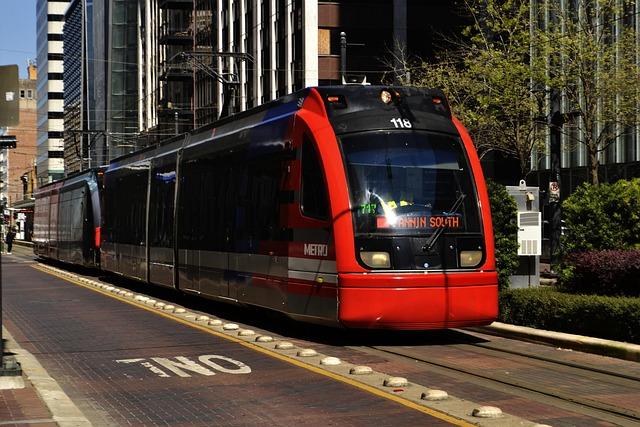
Public transit agencies are also contending with increased ridership. Houston Metro has reported overcrowding on buses and trains, resulting in delays and diminished passenger satisfaction. Despite efforts to boost service frequency and expand routes, budget limitations and workforce shortages hinder rapid improvements. The following impacts have been observed:
- Longer wait times due to packed vehicles and limited capacity.
- Growing passenger dissatisfaction related to comfort and reliability issues.
- Rising operational expenses to accommodate surging demand.
| Metric | Pre-Mandate | Post-Mandate |
|---|---|---|
| Average Commute Duration | 35 minutes | 47 minutes |
| Daily Public Transit Ridership | 75,000 passengers | 95,000 passengers |
| Parking Availability Downtown | Ample | Limited |
Collaborative Strategies to Enhance Houston’s Commuting Experience
In light of the mounting commuting challenges, Houston’s business leaders and city officials are jointly pursuing innovative solutions to improve traffic flow and transit efficiency. Companies are piloting staggered work hours and flexible schedules to reduce peak congestion, while municipal investments focus on expanding bike lanes and enhancing public transportation networks. These initiatives aim to foster a more adaptable and sustainable commuting environment.
- Staggered Work Hours: Distributing employee start times to lower peak traffic density.
- Multi-Modal Transportation: Promoting alternatives such as carpooling, cycling, and transit use.
- Intelligent Traffic Systems: Deploying adaptive traffic signals and real-time congestion monitoring technologies.
| Initiative | Key Advantage | Current Status |
|---|---|---|
| Flexible Scheduling | Alleviates Peak Traffic | In Progress |
| Expanded Bus Networks | Improves Transit Access | Planning Stage |
| Bike Sharing Programs | Supports Eco-Friendly Travel | Operational |
Effective Commuting Tips for Houston Employees Facing Longer Office Hours
As office hours extend, Houston workers are encouraged to adopt strategies that reduce commute-related stress and enhance productivity. Flexibility remains crucial—consider adjusting work start times to avoid peak congestion or organizing carpools to share travel costs and reduce vehicle numbers. For public transit users, leveraging mobile apps to track METRO schedules can help navigate delays and optimize routes. Additionally, turning commute time into a chance for relaxation or learning with audiobooks or podcasts can improve the daily experience.
Both employers and employees can benefit from simple yet effective adjustments. Below are practical recommendations to ease the burden of longer commutes and extended office stays:
- Remote Work Flexibility: Negotiate occasional telecommuting days to break up consecutive long office hours.
- Meal Preparation: Planning lunches ahead reduces midday stress and saves money.
- Vehicle Maintenance: Regular servicing prevents breakdowns during lengthier drives.
- Wellness Breaks: Incorporate short walks or stretching sessions during the workday to maintain energy levels.
| Commute Strategy | Benefit | Houston-Specific Context |
|---|---|---|
| Staggered Work Hours | Decreases Traffic Congestion | Reduces load on HOV lanes and feeder roads |
| Public Transit Usage | Saves on Fuel Costs | Access to expanded METRO rail and bus services |
| Carpooling | Lowers Monthly Commuting Expenses | Utilizes high-occupancy vehicle lanes |
| Remote Work Days | Reduces Time Spent on Roads | Growing employer acceptance of flexible policies |
Final Thoughts: Navigating Houston’s Evolving Commute Landscape
As Houston businesses increasingly require longer in-office hours, the city’s commuters are confronting heightened traffic congestion, strained public transit, and the need to adapt daily routines. These changes underscore the broader impact of shifting workplace norms on urban mobility. Moving forward, coordinated efforts between employers, city planners, and commuters will be essential to develop sustainable solutions that ease travel burdens and enhance quality of life across Houston’s dynamic metropolitan area.