
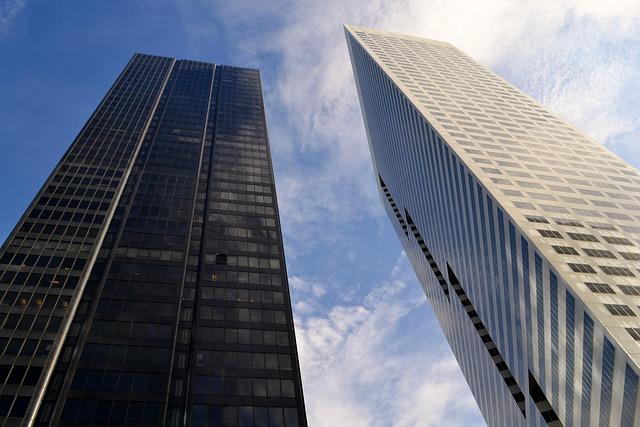
Downtown Houston Office Tower Reimagined as Vibrant Residential Hub
A landmark office building in Houston’s downtown district has recently changed hands and is poised for a $26.5 million overhaul, transitioning from commercial office space into modern residential apartments. This redevelopment exemplifies the rising trend of adaptive reuse, driven by increasing demand for urban living options and shifting work patterns post-pandemic. The project aims to breathe new life into the historic structure while addressing Houston’s pressing need for centrally located housing, according to project insiders.
Highlights of the redevelopment include:
- Transformation of the existing office floors into approximately 350 apartment units
- Incorporation of flexible co-working areas on lower levels to accommodate remote and hybrid work models
- Development of eco-friendly rooftop gardens and state-of-the-art fitness facilities
- Seamless integration with nearby public transit and retail centers to enhance urban convenience
The following table outlines the anticipated schedule and budget allocation for the project:
| Phase | Duration | Budget ($M) |
|---|---|---|
| Design & Permitting | 3 to 6 months | 2.5 |
| Construction | 12 to 18 months | 18.0 |
| Interior Finishing & Amenities | 6 months | 6.0 |
| Leasing & Marketing | Ongoing | Included |
Economic Benefits of Houston’s Office-to-Residential Conversion
The $26.5 million redevelopment of this downtown Houston office tower into residential apartments is expected to have a profound economic ripple effect throughout the city. By repurposing underused commercial real estate, the initiative directly responds to the surging demand for urban housing while generating substantial employment opportunities. The construction phase alone is projected to create over 250 temporary jobs, spanning from skilled tradespeople to project supervisors, injecting millions into the local economy.
Beyond construction, the influx of new residents will stimulate ongoing economic activity, benefiting local businesses and increasing municipal revenues. Key anticipated advantages include:
- Growth in retail and hospitality sectors: New inhabitants will boost demand for dining, shopping, and entertainment.
- Appreciation of downtown property values: The revitalization encourages further real estate investments.
- Expanded tax revenues: Residential occupancy contributes to steady property and sales tax income for Houston.
| Economic Indicator | Projected Impact |
|---|---|
| Jobs Created During Construction | 250+ |
| Annual Increase in Property Tax Revenue | $1.2 million |
| Estimated Resident Spending Power | $3 million+ |
Innovative Design and Infrastructure Enhancements for Urban Living
This $26.5 million redevelopment project not only transforms the building’s function but also incorporates forward-thinking design and infrastructure upgrades that align with Houston’s vision for sustainable urban growth. The developers are committed to using eco-friendly materials and integrating smart building technologies to reduce environmental impact and improve resident comfort. The plan includes:
- Energy-saving systems designed to minimize carbon emissions and utility costs
- Preservation of historic architectural features to maintain the city’s cultural heritage
- Improved pedestrian access and connectivity linking residents to transit and neighborhood amenities
- Advanced safety protocols and accessibility features tailored to modern urban lifestyles
Infrastructure improvements will also include upgraded utilities and high-speed internet capabilities, ensuring the building meets the demands of contemporary residents. The table below summarizes key project details:
| Aspect | Information |
|---|---|
| Total Investment | $26.5 million |
| Number of Residential Units | Approximately 350 |
| Expected Completion | 18 months |
| Sustainability Goal | LEED Silver Certification |
Strategies for Overcoming Regulatory and Market Obstacles
Experts in urban development stress the necessity of early collaboration with municipal authorities and local communities to navigate the often complex permitting and zoning requirements associated with adaptive reuse projects. Familiarity with Houston’s building codes and historic preservation mandates is crucial to avoid costly setbacks. Recommended best practices include:
- Comprehensive due diligence covering environmental assessments and compliance with building regulations
- Engaging neighborhood groups proactively to address concerns and build support
- Utilizing financial incentives such as tax abatements and grants for sustainable development
Market volatility, including fluctuating material costs and interest rates, poses additional challenges. Industry leaders advocate for adaptable financial planning, incorporating strategies like phased construction and fixed-price contracts to mitigate risks. The table below outlines key approaches developers are employing to maintain project viability:
| Approach | Description | Benefit |
|---|---|---|
| Phased Development | Breaking the project into manageable stages | Reduces initial capital requirements and allows flexibility |
| Fixed-Price Agreements | Securing material and labor costs upfront | Prevents budget overruns |
| Diversified Financing | Combining equity, loans, and public incentives | Strengthens financial resilience |
Conclusion: Houston’s Shift Toward Adaptive Reuse in Urban Housing
The conversion of a recently acquired downtown Houston office tower into a $26.5 million residential complex signals a pivotal evolution in the city’s urban development strategy. As demand for centrally located housing intensifies, this project exemplifies the broader movement toward repurposing commercial properties to meet contemporary living needs. Stakeholders and residents alike anticipate that this initiative will set a benchmark for future adaptive reuse projects, fostering a more vibrant and sustainable downtown Houston.