
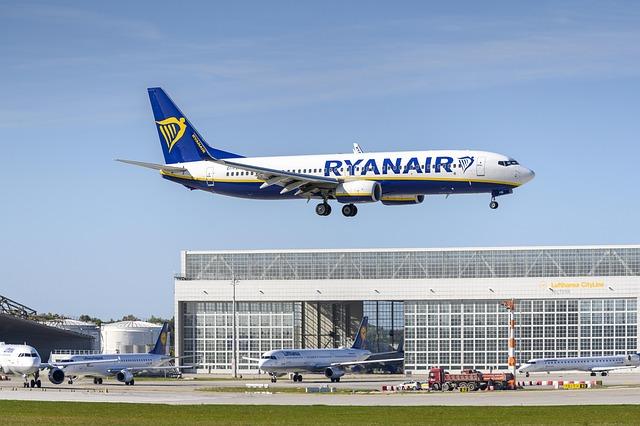
Houston Airport Highlights Nationwide Air Travel Disruptions Amid Government Shutdown
Severe Operational Delays at Houston’s George Bush Intercontinental Airport Due to Shutdown
George Bush Intercontinental Airport in Houston is currently experiencing unprecedented delays, a direct fallout from the ongoing federal government shutdown. Critical airport functions across several terminals have slowed dramatically, impacting thousands of passengers daily. The reduction in federal TSA agents has led to significantly longer security lines, with wait times now stretching into multiple hours. This has resulted in frequent flight cancellations and rescheduling, severely hampering the airport’s ability to provide timely and efficient service.
The consequences extend beyond passenger inconvenience. Airlines are scrambling to adjust crew schedules and flight plans, creating operational turmoil. Additionally, airport retailers and food vendors are facing sharp declines in customer traffic, leading to notable revenue losses. Key challenges identified include:
- Substantial TSA workforce reductions due to furloughs
- Increased passenger volume amid diminished processing capacity
- Rising frequency of flight delays and cancellations disrupting regional air travel
- Economic hardships for airport-based businesses and support services
| Operation | Typical Capacity | Current Capacity | Delay Multiplier |
|---|---|---|---|
| Security Screening | 3,000 passengers/hour | 1,400 passengers/hour | 2.1x |
| Baggage Processing | 2,000 bags/hour | 1,100 bags/hour | 1.8x |
| Daily Flight Operations | 450 flights/day | 290 flights/day | 1.55x |
Passenger Experience Deteriorates Amid Staffing Shortages and Service Cutbacks
Travelers passing through Houston’s airport are increasingly voicing dissatisfaction as reduced staffing and curtailed services degrade the overall travel experience. Lengthy queues at check-in counters, sluggish security processing, and frequent gate changes have become routine frustrations. Many passengers also report a noticeable reduction in available dining and shopping options, leaving them with limited amenities during extended layovers. Airport management acknowledges these issues but attributes them largely to the ongoing federal shutdown, which hampers efforts to restore full operational capacity.
Specific areas most affected include:
- Customer Support: Fewer staff members at help desks result in longer wait times for assistance.
- Baggage Services: Delays in luggage retrieval due to a shortage of ground handling personnel.
- Inter-terminal Transport: Reduced shuttle bus frequency causes overcrowding and missed connections.
| Service | Standard Capacity | Current Availability | Impact on Passengers |
|---|---|---|---|
| Check-in Counters | 50 | 28 | Lines extended, wait times increased by 45% |
| Security Lanes | 20 | 11 | Peak hour bottlenecks |
| Food & Retail Outlets | 25 | 9 | Limited dining and shopping options |
| Shuttle Services | 15 buses | 7 buses | Longer wait times, overcrowding |
Airlines Modify Flight Schedules and Enhance Refund Policies to Alleviate Passenger Disruptions
In light of the operational difficulties at Houston’s airport, several airlines have proactively adjusted their flight schedules to reduce delays and improve passenger experience amid the shutdown. These modifications include limiting flights during peak congestion periods, rerouting certain international flights to less busy hubs, and adjusting departure and arrival times to better match current airport capacity. Such measures aim to streamline operations and reduce passenger inconvenience.
Refund and rebooking policies have also been updated to offer greater flexibility. Airlines are providing full refunds or travel vouchers without penalties to customers affected by cancellations or delays. This customer-centric approach is intended to rebuild traveler confidence and provide swift resolution options. Highlights of these policies include:
- Immediate refunds for canceled flights
- Waived change fees with extended deadlines
- Priority rebooking for passengers stranded due to disruptions
- Expanded customer support through phone, online, and in-person channels
| Airline | Schedule Adjustments | Refund Policy |
|---|---|---|
| TexAir | Cut back flights during peak hours | Full refund within 72 hours |
| Continental Wings | Rerouted select international routes | Voucher valid for 18 months |
| SkyLink | Added extra domestic flights off-peak | Change fee waived for rescheduling |
Industry Experts Call for Immediate Federal Action and Improved Contingency Strategies
Aviation experts stress the critical need for Congress to swiftly resolve the government shutdown, warning that prolonged disruption threatens the stability of the nation’s air travel system. Analysts point out that the current impasse has revealed systemic weaknesses requiring urgent attention, including:
- Severe staffing shortages at major hubs like Houston, causing delays and raising safety concerns.
- Interrupted supply chains that hinder maintenance and airport operations nationwide.
- Inadequate federal funding for emergency and contingency measures.
To mitigate future crises, experts recommend enhanced contingency planning focused on:
- Creating reserve staffing pools that can be rapidly deployed to maintain essential airport functions.
- Investing in advanced technology to improve real-time communication and operational coordination during shutdowns.
- Establishing dedicated emergency funding streams to ensure uninterrupted airport services.
| Focus Area | Recommended Initiative | Anticipated Benefit |
|---|---|---|
| Staffing | Develop emergency reserve workforce | Minimize operational delays |
| Funding | Secure contingency budgets | Maintain continuous airport operations |
| Technology | Implement real-time monitoring systems | Enhance crisis management efficiency |
Final Thoughts
The ongoing government shutdown’s impact on Houston’s George Bush Intercontinental Airport serves as a microcosm of the broader challenges facing the U.S. air travel sector. From operational slowdowns to passenger dissatisfaction, the effects ripple across the country, underscoring the urgent necessity for federal resolution and strategic planning. As the situation evolves, continued monitoring and adaptive responses will be essential to restoring confidence and stability within the nation’s transportation infrastructure.