
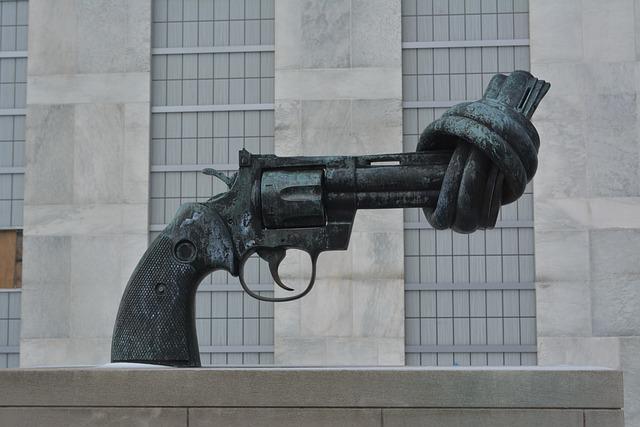
Addressing Houston’s Escalating Gun Violence: Data, Demographics, and Prevention Efforts
Rising Gun Violence in Houston’s Urban Communities: An In-Depth Analysis
Houston is currently facing a significant increase in gun-related violence, particularly concentrated in its urban neighborhoods. Recent reports from law enforcement and public health agencies reveal that this surge is closely linked to complex social issues such as economic inequality, educational barriers, and strained relationships between residents and police. Areas with the highest incidence of firearm violence often coincide with communities experiencing elevated poverty and unemployment rates, highlighting that the problem extends beyond mere criminal activity to deeper systemic challenges.
Recent statistics paint a concerning picture of this trend:
- A 35% increase in firearm homicides within urban districts from 2022 to 2023.
- A 50% rise in non-lethal shooting incidents reported in densely populated neighborhoods.
- 70% of these incidents involve individuals younger than 30 years old.
| Neighborhood | Incidents in 2022 | Incidents in 2023 | Percentage Growth |
|---|---|---|---|
| Third Ward | 120 | 162 | 35% |
| Fifth Ward | 85 | 128 | 50% |
| Near Northside | 90 | 115 | 28% |
Understanding the Community and Demographic Dimensions of Gun Violence
Gun violence disproportionately impacts Houston’s most vulnerable communities. Data indicates that neighborhoods with limited economic opportunities and scarce social services bear the brunt of firearm-related incidents. This cyclical relationship between poverty and violence complicates prevention efforts, necessitating targeted interventions. For example, East Houston and the Third Ward consistently report higher frequencies of shootings, emphasizing the need for focused community support and engagement.
Breaking down the demographics involved in these incidents reveals critical focus areas:
- Age Group: Individuals aged 18 to 30 represent the majority of both victims and offenders.
- Gender: Males account for approximately 85% of those involved in firearm incidents.
- Ethnicity: African American and Hispanic communities are disproportionately affected, comprising 54% and 29% of victims respectively.
| Demographic Group | Share of Gun Violence Incidents |
|---|---|
| Young Adults (18-30) | 62% |
| Males | 85% |
| African American | 54% |
| Hispanic | 29% |
Evaluating Law Enforcement Tactics in Combating Gun-Related Crime
Houston’s police departments have embraced a comprehensive strategy to tackle the surge in gun violence, blending community-oriented policing with cutting-edge technology. Efforts include intensified patrols in hotspots, the establishment of real-time crime monitoring centers, and partnerships with federal law enforcement agencies. These initiatives emphasize not only swift incident response but also proactive prevention through intelligence gathering and fostering community trust to encourage cooperation and reporting.
Notable tactics contributing to crime reduction include:
- Utilization of ShotSpotter acoustic sensors to detect and locate gunfire instantly
- Formation of specialized gang suppression teams targeting illegal firearm distribution networks
- Ongoing community engagement programs aimed at youth education and gang deterrence
- Application of advanced data analytics to identify crime trends and optimize resource deployment
| Initiative | Year Launched | Reported Reduction in Crime (%) |
|---|---|---|
| ShotSpotter Technology | 2018 | 15% |
| Gang Suppression Units | 2016 | 22% |
| Community Outreach Programs | 2019 | 12% |
| Data-Driven Policing | 2020 | 18% |
Promising Community-Led Initiatives Driving Safer Neighborhoods
Innovative prevention programs across Houston are redefining how gun violence is addressed by focusing on early intervention and empowering at-risk populations. Collaborations among community centers, faith-based groups, and nonprofits emphasize mentorship, conflict mediation, and engaging after-school activities to steer youth away from violent paths. These efforts are guided by data to ensure that resources target the areas and individuals most in need, with continuous evaluation to measure success.
A notable example is the “Neighborhood Renewal Project,” which integrates outreach with workforce development to tackle the socioeconomic roots of violence. By providing job training and employment opportunities alongside conflict resolution education, this initiative fosters sustainable community transformation. Below is an overview of key program components and their measurable impacts:
| Program Component | Focus Area | Measured Outcome |
|---|---|---|
| Youth Mentorship | Decrease in youth-involved violence | 25% reduction in incidents during the first year |
| Conflict Mediation Workshops | Lowered community disputes | 42% fewer violent escalations |
| Employment Assistance | Economic empowerment | 20% rise in job placements among participants |
Conclusion: Collaborative Efforts Essential to Reversing Houston’s Gun Violence Surge
As Houston confronts the ongoing rise in gun violence, the data underscores the critical need for integrated prevention strategies that address both immediate safety concerns and the underlying social determinants. Success hinges on the combined efforts of law enforcement, community leaders, policymakers, and residents working in unison to implement evidence-based solutions. While the statistics present a daunting challenge, they also provide a roadmap for targeted action. Sustained commitment to innovation, community engagement, and data-driven policies will be vital in fostering a safer environment for all Houstonians.