

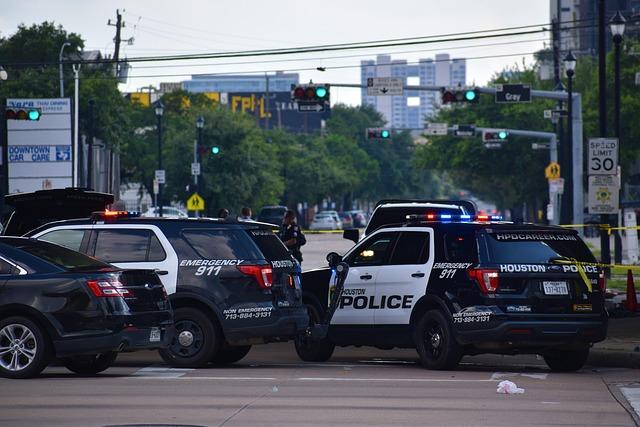
Rising Homicide Rates Challenge Houston’s Third Ward Community
Houston’s Third Ward is currently facing a troubling escalation in homicide incidents, sparking widespread concern among residents and local leaders. This surge in violent crime has intensified fears about safety, yet the Houston Police Department (HPD) has offered minimal insight into the root causes or the strategies being employed to combat the crisis. The community’s growing unease underscores an urgent demand for greater transparency and proactive measures to safeguard this culturally rich neighborhood.
Key community apprehensions include:
- Slow emergency response during violent episodes
- Scarce updates from HPD regarding homicide investigations
- Perceived deficiencies in preventive policing efforts
- Limited collaboration between law enforcement and local organizations
| Month | Number of Homicides | HPD Community Meetings |
|---|---|---|
| March | 7 | 1 |
| April | 10 | 0 |
| May | 12 | 1 |
Communication Gaps Exacerbate Resident Anxiety
The persistent rise in violent deaths has not only heightened fear but also frustration among Third Ward inhabitants, largely due to the Houston Police Department’s inconsistent and limited communication. Residents report that updates on investigations are infrequent and often lack detail, leaving many uncertain about the measures being taken to reduce violence. This lack of clarity has led to speculation and increased apprehension about the safety of families and neighbors.
Primary concerns voiced by the community include:
- Delayed publication of crime statistics and incident details
- Minimal interaction between HPD officials and neighborhood groups
- Confusing or contradictory information from law enforcement sources
| Issue | Effect on Community |
|---|---|
| Information Deficits | Erosion of trust in law enforcement |
| Infrequent Public Updates | Increased uncertainty about police actions |
| Lack of Community Forums | Weakened cooperation between residents and police |
Underlying Factors Driving Violence in the Third Ward
The increase in homicides within Houston’s Third Ward is symptomatic of deeper socio-economic and systemic challenges. Analysts point to entrenched poverty, high unemployment rates, and limited educational opportunities as critical contributors to the environment where violent crime flourishes. These issues are compounded by strained relations between law enforcement and the community, which hinder collaborative crime reduction efforts. Additionally, the sporadic presence of police and insufficient outreach programs have allowed violence to escalate unchecked.
Other significant contributors include:
- Organized crime and narcotics trade: Persistent gang rivalries and drug-related conflicts continue to fuel deadly confrontations.
- Shortage of mental health resources: Lack of accessible support for individuals coping with trauma or psychological issues can lead to impulsive violent acts.
- Neighborhood displacement: Gentrification pressures are forcing longtime residents out, creating social instability and resentment.
| Factor | Severity | Community Response |
|---|---|---|
| Economic Hardship & Joblessness | Severe | Advocacy for employment initiatives |
| Gang-Related Violence | Moderate | Calls for intensified law enforcement |
| Mental Health Accessibility | Critical | Requests for expanded outreach programs |
Comprehensive Approaches to Enhance Safety and Transparency
Addressing the surge in violence in Houston’s Third Ward requires a holistic strategy that combines enhanced community involvement with greater transparency from law enforcement. Strengthening community policing initiatives is essential to rebuild trust and foster cooperation. Programs such as neighborhood watch patrols and frequent public forums can facilitate open communication, enabling residents and police to work collaboratively toward crime reduction. Additionally, violence interruption teams staffed by trained mediators can play a pivotal role in defusing conflicts before they escalate.
To restore public confidence, accountability must be a priority. Recommended measures include:
- Establishing clear deadlines for HPD to provide investigation updates
- Creating independent oversight bodies to monitor police conduct and case management
- Publishing transparent data dashboards that track homicide rates and case clearance statistics
| Initiative | Anticipated Result | Projected Timeline |
|---|---|---|
| Neighborhood Patrols | Decrease in street-level violence | 3 to 6 months |
| Regular Public Case Updates | Improved community trust | Immediate |
| Independent Review Panels | Greater accountability and transparency | 6 to 12 months |
Moving Forward: Restoring Peace in the Third Ward
As homicide rates continue to climb in Houston’s Third Ward, the community’s call for clear communication and decisive intervention grows louder. The Houston Police Department’s current lack of detailed engagement has intensified worries about safety and accountability. To reverse this trend, it is imperative to foster transparent dialogue and implement comprehensive solutions that address the root causes of violence. Only through collaborative efforts can this historic neighborhood reclaim its security and vibrancy for future generations.