

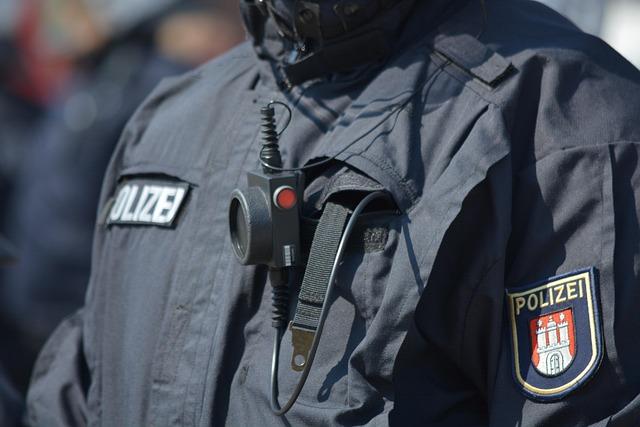
Houston Fatal Shooting Highlights Critical Gaps in ICE Body-Worn Camera Usage
Fatal Houston Incident Exposes Lack of Body Cameras Among ICE Officers
The recent deadly shooting involving U.S. Immigration and Customs Enforcement (ICE) agents in Houston has brought to light a significant deficiency: the officers were not equipped with body-worn cameras at the time of the event, according to NBC News. This absence of video evidence has intensified concerns about transparency and accountability in ICE’s use-of-force incidents. As public scrutiny of law enforcement practices grows, especially in immigration enforcement, the lack of bodycam footage complicates efforts to establish an accurate and impartial account of what transpired.
Community leaders and civil rights advocates emphasize that body cameras serve as vital tools for documenting encounters, protecting both civilians and officers by providing objective, real-time records. Without such footage, reconstructing the sequence of events becomes challenging, potentially delaying investigations and undermining public confidence in law enforcement agencies.
Key Issues Raised by the Incident
- Absence of body-worn cameras limits objective evidence collection.
- Growing demands for mandatory bodycam policies for ICE personnel.
- Calls for independent investigations to ensure impartial accountability.
- Recognition of procedural shortcomings in ICE’s current equipment protocols.
| Aspect | Current Status |
|---|---|
| Body-Worn Camera Usage | Not utilized during incident |
| ICE Policy on Bodycams | No universal mandate |
| Reform Advocacy | Increasing momentum |
| Investigation Progress | Ongoing |
Examining ICE’s Body-Worn Camera Policies Amid Rising Transparency Demands
Unlike many federal and local law enforcement agencies that have adopted comprehensive body-worn camera programs, ICE’s policies on bodycam usage remain fragmented and inconsistent across jurisdictions. There is no nationwide requirement compelling ICE officers to wear or activate body cameras during enforcement actions. This regulatory void has drawn sharp criticism, particularly following high-profile incidents such as the Houston shooting, where the absence of footage obstructs efforts to verify officer conduct and maintain public trust.
Current ICE bodycam protocols are characterized by:
- Optional use of body cameras limited to certain operations or regions.
- Lack of standardized procedures for when cameras must be activated and how footage is stored.
- Minimal legislative oversight or mandates ensuring transparency.
| Policy Element | ICE Current Standard | Ideal Transparency Model |
|---|---|---|
| Mandatory Bodycam Use | Not required agency-wide | Universal requirement |
| Activation Protocol | Discretionary | Automatic upon engagement |
| Public Access to Footage | Restricted, case-dependent | Full and timely disclosure |
Consequences of Missing Bodycam Evidence on Investigations and Public Confidence
The lack of body-worn camera footage from the ICE officers involved in the Houston shooting severely hampers investigative efforts to piece together an accurate timeline and context of the event. Without visual and audio documentation, authorities face greater difficulty in objectively assessing the use of force and corroborating witness accounts, which can prolong inquiries and fuel disputes over the facts.
Beyond procedural challenges, this absence undermines community trust in law enforcement. Residents and advocacy organizations increasingly view body cameras as essential for ensuring accountability and protecting civil liberties. The perception that bodycam policies are inconsistently applied or selectively enforced raises concerns about potential evidence suppression and broader systemic accountability issues.
- Inconsistent enforcement of bodycam activation policies.
- Risk of evidence being withheld or altered.
- Implications for accountability in similar incidents nationwide.
| Primary Concern | Effect |
|---|---|
| Lack of Visual Documentation | Complicates verification of officer and witness statements |
| Erosion of Community Trust | Decreases confidence in law enforcement transparency |
| Policy Enforcement Gaps | Raises doubts about accountability mechanisms |
Advocating for Mandatory Body Cameras and Enhanced Oversight in ICE Operations
Following the fatal Houston shooting, there is a growing movement demanding that ICE implement mandatory body-worn camera policies across all field operations. Proponents argue that equipping officers with bodycams is essential for fostering transparency, ensuring accountability, and restoring public trust, especially in use-of-force situations. The absence of footage in this case has underscored the challenges faced by oversight bodies and the public in understanding the full context of such incidents.
Key reform proposals include:
- Requiring all ICE officers to wear and activate body cameras during enforcement activities.
- Establishing independent oversight entities to review footage and investigate incidents impartially.
- Implementing strict policies to guarantee continuous recording and prevent deactivation.
- Mandating timely public release of bodycam footage following critical incidents.
| Reform Focus | Current Practice | Recommended Change |
|---|---|---|
| Body Camera Usage | Optional | Mandatory for all officers |
| Oversight | Internal reviews only | Independent third-party monitoring |
| Access to Footage | Restricted, limited public disclosure | Prompt and transparent public release |
Final Thoughts: The Urgent Need for Reform in ICE Enforcement Transparency
The fatal shooting in Houston, involving ICE officers without body-worn cameras, has spotlighted critical deficiencies in transparency and accountability within immigration enforcement. As investigations proceed, the incident has galvanized calls from advocates, community members, and policymakers for comprehensive reforms to ensure that such tragedies are less likely to occur in the future. This case exemplifies the ongoing tension between maintaining public safety and protecting civil liberties, underscoring the necessity for clear policies, mandatory technology adoption, and independent oversight within ICE operations.
As the situation develops, NBC News and other outlets will continue to provide updates, tracking the progress of investigations and reform efforts aimed at enhancing trust and accountability in immigration law enforcement.
