
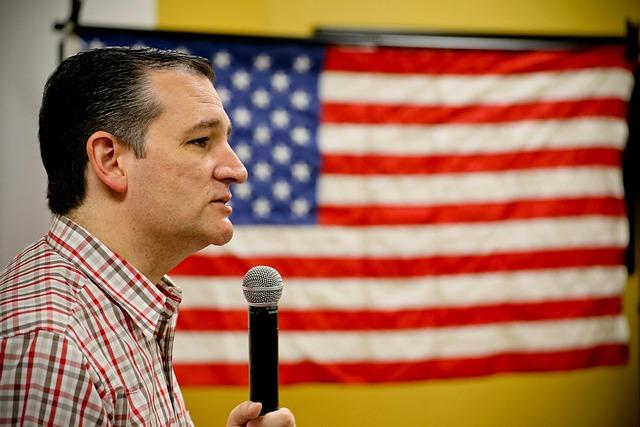
Houston Election Showdown: Hinojosa and Paxton Battle for Texas Influence
As Texas’s political climate grows increasingly charged, Houston emerges as a pivotal arena where State Senator Joaquin Hinojosa and Attorney General Ken Paxton are intensifying their campaigns. This metropolitan hub, the state’s largest city, is proving crucial in determining the trajectory of upcoming statewide elections. Both candidates are actively engaging voters with sharply contrasting platforms, reflecting broader ideological divides within Texas politics.
Hinojosa’s campaign centers on expanding healthcare access and bolstering public education systems, aiming to resonate with urban and minority communities. Conversely, Paxton emphasizes his achievements in law enforcement and border security, seeking to galvanize conservative voters concerned about public safety and economic stability.
Core issues dominating their campaign events include:
- Affordable and accessible healthcare
- Strengthening border security protocols
- Stimulating job creation and economic growth
- Enhancing public safety and crime prevention
| Candidate | Primary Policy Emphasis | Campaign Approach |
|---|---|---|
| Joaquin Hinojosa | Healthcare Expansion & Education Reform | Community engagement through grassroots events and interactive town halls |
| Ken Paxton | Border Security & Law Enforcement | Leveraging media campaigns and securing influential endorsements |
Targeted Campaign Tactics Addressing Houston’s Diverse Electorate
Both campaigns are meticulously crafting their messages to appeal to Houston’s multifaceted voter base. Hinojosa’s team prioritizes mobilizing Hispanic communities by focusing on healthcare reform, educational improvements, and immigration policies. Their strategy incorporates digital outreach, neighborhood forums, and youth-oriented initiatives aimed at millennials and Gen Z voters, who increasingly demand social equity and economic opportunity.
In contrast, Paxton’s campaign is concentrating on law and order themes, targeting suburban and rural constituents concerned about crime trends. His messaging also highlights economic development and conservative principles, while attempting to broaden appeal among minority voters by emphasizing support for small businesses and infrastructure projects.
Demographic-specific campaign priorities include:
| Voter Group | Hinojosa’s Emphasis | Paxton’s Emphasis |
|---|---|---|
| Hispanic Communities | Immigration reform, healthcare access, education funding | Economic development, infrastructure investment |
| Young Adults (18-29) | Social justice initiatives, job opportunities | Workforce growth, entrepreneurship support |
| Suburban Residents | Environmental policies, community services | Public safety, traditional conservative values |
Houston Elections: A Bellwether for Texas’s Political Future
Houston’s electoral contests are increasingly influential in defining the broader political currents across Texas. The city’s rich demographic tapestry and its role as an economic powerhouse make it a microcosm of statewide political shifts. Trends emerging from Houston’s voter turnout and preferences often forecast changes in party dominance and policy focus throughout Texas.
Recent election cycles have demonstrated this impact vividly, with rising voter participation and strategic campaign investments underscoring Houston’s significance. Both parties recognize that success in this urban center can tip the scales in statewide races.
Factors amplifying Houston’s statewide political influence include:
- Demographic variety fostering a wide range of policy priorities
- Increasing voter engagement reflected in turnout statistics
- Focused campaign spending highlighting Houston’s electoral weight
| Election Year | Houston Voter Turnout (%) | Statewide Political Effect |
|---|---|---|
| 2020 | 58% | Strengthened Democratic foothold in urban districts |
| 2022 | 62% | Increased Republican support in suburban areas |
| 2024 (Projected) | 65% | Heightened competition in statewide contests |
Voter Guidance Amidst Texas’s Contentious Political Season
Given the charged atmosphere surrounding Texas elections, it is vital for voters to engage in comprehensive research and cross-check information from reliable sources before making electoral decisions. Understanding the nuances of Joaquin Hinojosa’s progressive proposals alongside Ken Paxton’s conservative policies is essential for informed voting.
Participating in candidate forums, viewing debates, and consulting impartial analyses can help voters navigate the complex political narratives. Since social media platforms can sometimes propagate misleading information, prioritizing official communications and reputable news outlets is recommended.
Effective voter preparation tips include:
- Registering early to avoid last-minute issues
- Taking advantage of early voting to reduce Election Day stress
- Reviewing sample ballots to familiarize with all candidates and measures
- Engaging in discussions with family and community to broaden perspectives
| Advice | Advantage |
|---|---|
| Monitor local news sources | Stay informed on grassroots developments |
| Use official state election websites | Verify registration status and polling locations |
| Consult independent fact-checkers | Discern factual information from campaign rhetoric |
| Arrange transportation to polling sites | Ensure timely and convenient voting |
Conclusion: Houston Races Shaping Texas’s Political Path Forward
The escalating political rivalry between Joaquin Hinojosa and Ken Paxton in Houston exemplifies the heightened stakes and shifting dynamics within Texas’s political arena. As Election Day approaches, both candidates are vigorously working to cement their bases and sway undecided voters in this influential city. Observers and residents alike can anticipate an intensification of campaign activity, with Houston’s outcomes likely to reverberate across the state’s political landscape. KHOU remains committed to delivering in-depth coverage of these critical races and their implications for Texas’s future governance.