

Transforming Cannabis Enforcement in Houston: Navigating Legal Complexities and Community Voices
Houston’s Evolving Approach to Marijuana Regulation
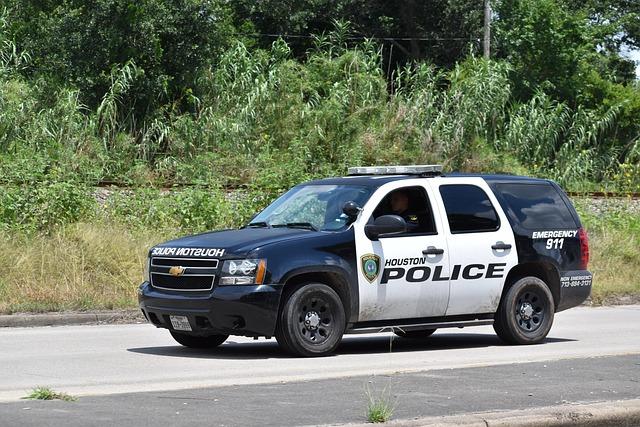
In recent times, Houston has witnessed a significant transformation in how marijuana laws are enforced, reflecting broader shifts in societal attitudes and legal interpretations. Local law enforcement agencies are increasingly diverting their focus from minor cannabis infractions to more pressing criminal activities, such as violent offenses and property crimes. This strategic pivot has led to a noticeable decline in aggressive policing of small-scale marijuana possession, despite Texas maintaining stringent statewide prohibitions.
Municipal courts in Houston have begun experimenting with alternative sanctions, including diversion programs, community service, and monetary fines, rather than imposing severe penalties. These initiatives suggest a gradual recalibration of the city’s criminal justice priorities, aiming to reduce incarceration rates linked to cannabis offenses. However, this shift introduces challenges for police officers who must reconcile state mandates with evolving local policies designed to promote fairness and reduce jail populations.
Advocacy groups continue to press for broader reforms, highlighting the disproportionate impact of past enforcement on marginalized communities. Meanwhile, enforcement intensity varies considerably across Houston’s neighborhoods, creating a patchwork of regulatory application that complicates both compliance and policing efforts. The table below illustrates this disparity:
| Neighborhood | Level of Enforcement | Alternative Measures |
|---|---|---|
| Downtown Houston | Minimal | Counseling & community service |
| Midtown | Moderate | Fines and diversion programs |
| South Houston | Strict | Conventional prosecution |
- Resource Prioritization: Emphasis on combating violent and property crimes over minor cannabis offenses.
- Legal Conflicts: Discrepancies between state laws and local enforcement policies create confusion.
- Social Equity: Growing demands for fair and consistent application of cannabis regulations.
Public Opinion and Safety Concerns Surrounding Cannabis in Houston
The perspectives of Houston residents on marijuana laws and their implications for public safety are diverse and nuanced. Proponents of decriminalization argue that reducing penalties for possession can alleviate the strain on courts and law enforcement, citing examples from cities like Denver and Seattle where such policies have correlated with decreased incarceration rates and increased tax revenues. Conversely, some community members express apprehension about the potential for greater cannabis availability near sensitive areas such as schools and playgrounds, fearing it could lead to increased youth exposure and misuse.
Community discussions reveal several key viewpoints:
- Advocates highlight harm reduction and the opportunity to fund social initiatives through cannabis taxation.
- Opponents raise concerns about impaired driving incidents and underage consumption.
- Law enforcement officials call for clearer, more consistent guidelines to enhance enforcement effectiveness.
| Stakeholder | Main Concern | Recommended Action |
|---|---|---|
| Reform Advocates | Criminal justice reform | Legal decriminalization |
| Parents and Educators | Protecting youth | Stricter controls near schools |
| Police Representatives | Efficient resource use | Clear enforcement protocols |
Legal Uncertainties and Enforcement Priorities Amid Rising Cannabis Use
The legal environment surrounding cannabis in Houston remains complex and often contradictory. While Texas law continues to criminalize recreational marijuana possession, the increasing prevalence of cannabis use challenges authorities to find a balanced enforcement strategy. Law enforcement officers frequently navigate conflicting directives, as state statutes clash with emerging local initiatives that lean toward decriminalization or medical marijuana acceptance.
Houston Police Department has adjusted its priorities, focusing on serious offenses and large-scale drug operations, while often issuing warnings or citations for minor possession cases. Their current enforcement strategy includes:
- Providing verbal warnings or citations for possession under two ounces instead of arrests
- Engaging in community policing efforts to address drug-related issues comprehensively
- Partnering with social service agencies to divert low-level offenders from incarceration
Nevertheless, without statewide legislative reform, this fragmented approach risks inconsistent judicial outcomes and enforcement disparities across Houston’s jurisdictions.
| Offense Type | Enforcement Priority | Common Response |
|---|---|---|
| Possession under 2 ounces | Low | Warning or citation |
| Possession with intent to sell | High | Arrest and prosecution |
| Medical marijuana use | Case-dependent | Evaluated individually |
Strategies for Reform and Strengthening Police-Community Partnerships
To create a more equitable and effective cannabis policy, Houston’s leaders should consider moving away from punitive enforcement toward harm reduction and community engagement. Such reforms can reduce the strain on the criminal justice system and help rebuild trust with communities disproportionately impacted by marijuana-related arrests. Recommended policy changes include:
- Decriminalizing possession of small cannabis quantities to minimize arrests and court cases
- Adopting community policing models that emphasize transparency, respect, and collaboration
- Launching public education initiatives to inform residents about responsible cannabis use and legal updates
- Redirecting funding from incarceration toward social services and rehabilitation programs for minor drug offenses
Building strong partnerships between law enforcement and community members is vital. Establishing advisory boards that include residents, activists, and police officials can foster dialogue and guide policy development. The following framework outlines key elements for enhancing police-community relations:
| Policy Component | Objective | Anticipated Benefit |
|---|---|---|
| Community Advisory Councils | Enhance transparency and accountability | Strengthen public trust and foster open communication |
| Bias Awareness and Sensitivity Training | Mitigate discriminatory enforcement | Ensure equitable treatment of all community members |
| Diversion and Rehabilitation Programs | Provide alternatives to incarceration | Reduce repeat offenses and support rehabilitation |
Looking Ahead: Houston’s Path Forward on Cannabis Policy
As Houston continues to grapple with the complexities of marijuana enforcement amid shifting public sentiment and evolving legal frameworks, the debate over the city’s cannabis policies remains dynamic and unresolved. While advocates push for more progressive reforms and decriminalization, others emphasize the need to uphold current laws to safeguard public safety and community values. Ongoing monitoring of legislative changes, enforcement trends, and community impacts will be essential as Houston charts its future course in cannabis regulation.
