

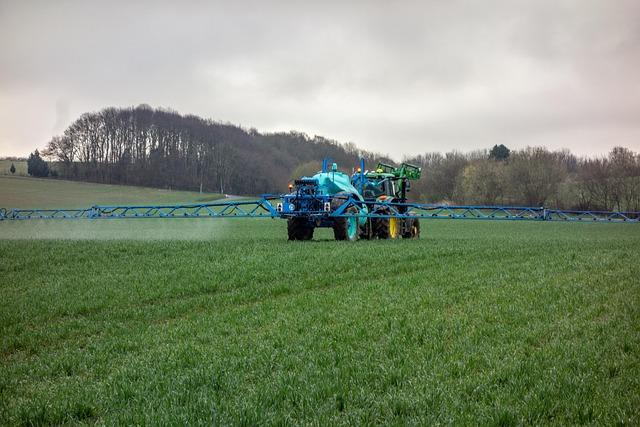
Escalating Fertilizer Costs Challenge Texas Agriculture Amid Iran Tensions
Farmers across Texas are facing mounting difficulties as fertilizer prices surge dramatically due to geopolitical unrest linked to the ongoing conflict in Iran. Disruptions in global supply chains and increased production expenses have led to sharp hikes in the cost of vital agricultural nutrients such as nitrogen, phosphorus, and potassium. This inflationary pressure threatens to erode profit margins for many producers already contending with erratic weather and volatile commodity markets.
Beyond the immediate financial burden, agricultural specialists highlight the broader implications for crop management strategies. To sustain productivity without escalating costs, farmers are exploring several adaptive approaches, including:
- Implementing precision farming technologies to enhance fertilizer efficiency and reduce waste
- Transitioning to drought- and pest-resistant crop varieties that demand fewer chemical inputs
- Utilizing government aid programs and subsidies designed to alleviate rising operational expenses
| Fertilizer Category | Price Increase (%) | Projected Impact on Yields |
|---|---|---|
| Nitrogen-based Fertilizers | 45% | Up to 10% yield reduction without substitutes |
| Phosphorus-based Fertilizers | 38% | Moderate risk to corn and wheat production |
| Potassium-based Fertilizers | 32% | Primarily affects cotton crop output |
Supply Chain Challenges Intensify Financial Pressure on Texas Farmers
The conflict in Iran has triggered significant disturbances in international supply networks, severely impacting fertilizer availability and pricing in Texas. Key raw materials like potash and nitrogen compounds have seen price surges exceeding 30% over the last quarter, compounding the financial strain on farmers already navigating unstable markets.
In response, many producers are forced to make tough choices, including:
- Cutting back on fertilizer application despite potential productivity losses
- Exploring organic or regionally sourced soil amendments as alternatives
- Postponing planting schedules in hopes of future price relief
Persistent shipping delays and logistical bottlenecks continue to extend lead times, exacerbating the challenges faced by the agricultural sector. These disruptions not only threaten farm profitability but also risk elevating consumer food prices and destabilizing the regional economy.
| Fertilizer Type | Price Increase (Last 3 Months) | Average Usage per Acre |
|---|---|---|
| Potash | +35% | 150 lbs |
| Nitrogen | +28% | 200 lbs |
| Phosphates | +22% | 100 lbs |
Fertilizer Price Hikes Threaten Crop Yields and Food Security
Texas growers are increasingly concerned as soaring fertilizer costs jeopardize the health and output of staple crops like corn, wheat, and cotton. The ongoing geopolitical instability has driven prices for essential nutrients such as nitrogen and potassium to levels that many farmers find unsustainable, prompting reductions in fertilizer application that could diminish harvest volumes.
The ramifications extend beyond farm fields, raising alarms about the stability of food supplies throughout Texas and neighboring regions. Experts warn that prolonged fertilizer shortages and cost pressures may trigger a cascade of effects, including:
- Escalating grocery prices that burden consumers statewide
- Greater dependence on imported food products as domestic yields decline
- Heightened economic challenges for rural communities already impacted by extreme weather events
Below is a comparative overview of fertilizer price trends from early 2023 to mid-2024:
| Fertilizer Type | Price (Jan 2023) | Price (May 2024) | Percentage Increase |
|---|---|---|---|
| Nitrogen | $450/ton | $780/ton | 73% |
| Phosphorus | $520/ton | $860/ton | 65% |
| Potassium | $470/ton | $790/ton | 68% |
Embracing Alternatives and Policy Support to Mitigate Fertilizer Crisis
In light of the steep fertilizer price increases driven by the Iran conflict, agricultural experts advocate for a rapid transition toward alternative nutrient sources. Options such as organic fertilizers, biofertilizers, and innovative soil amendments not only offer cost savings but also promote environmental sustainability. Emerging technologies like nitrification inhibitors and composted agricultural residues show promise in reducing reliance on imported chemical fertilizers and stabilizing input costs for Texas farmers.
Industry leaders are also urging policymakers to implement comprehensive support measures to protect the agricultural sector. Recommended initiatives include:
- Financial incentives for adopting alternative fertilization methods to ease the transition for farmers
- Increased funding for research and development focused on sustainable and efficient fertilization technologies
- Creation of emergency relief funds to assist producers facing immediate economic hardships due to price volatility
| Government Intervention | Anticipated Benefits |
|---|---|
| Subsidies for Alternative Fertilizers | Reduced input expenses and higher adoption rates |
| Research Grants | Advancement in eco-friendly agricultural practices |
| Emergency Financial Assistance | Alleviation of short-term economic pressures |
Conclusion: Fertilizer Price Pressures Call for Adaptive Strategies in Texas Agriculture
As the Iran conflict continues to disrupt global fertilizer supplies, Texas farmers are navigating an unprecedented surge in input costs that threatens both their economic viability and regional food production. Stakeholders emphasize the urgency of adopting alternative fertilization methods and securing government support to buffer the agricultural sector against ongoing volatility. With the planting season underway, the coming months will be pivotal in shaping the resilience and sustainability of Texas farming amid these challenging conditions.