

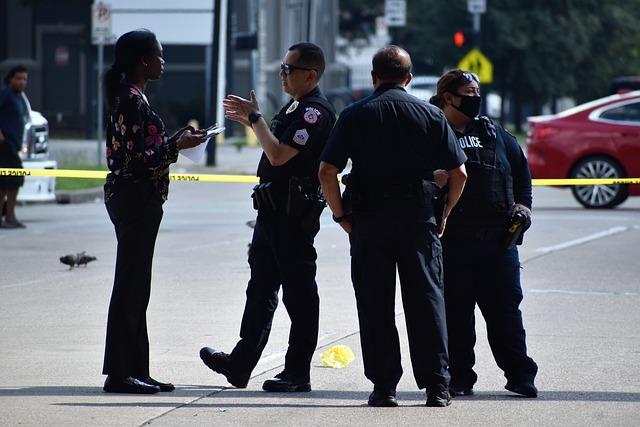
Houston is facing a dramatic escalation in homicide rates this year, with projections suggesting the city could approach nearly 400 murders in 2020. Recent crime reports from ABC13 Houston highlight this troubling surge, raising significant alarms about public safety amid persistent social and economic difficulties. As authorities and community advocates confront this spike in violence, the statistics emphasize the critical need for timely and effective policy measures and intervention strategies.
Escalating Homicide Rates in Houston: A Deepening Crisis
Houston is witnessing an unprecedented rise in violent crimes, with homicide numbers expected to near 400 by the end of 2020-one of the highest tallies in recent decades. Officials link this surge to a complex mix of entrenched socioeconomic hardships compounded by the destabilizing effects of the COVID-19 pandemic. This increase has placed considerable pressure on law enforcement agencies and heightened anxiety among residents, as many neighborhoods report a sharp uptick in gun-related violence and gang conflicts.
Detailed data analysis reveals several key factors driving this upward trend:
- Firearm-related homicides have surged by more than 25% compared to the previous year.
- Shootings within residential zones have seen a significant rise.
- Emergency response times to violent incidents have lengthened, impacting timely intervention.
| Quarter | Homicides in 2019 | Homicides in 2020 | Percentage Increase |
|---|---|---|---|
| Q1 | 80 | 95 | 18.75% |
| Q2 | 70 | 105 | 50.00% |
| Q3 | 75 | 110 | 46.67% |
| Q4* | 65 | — | — |
*Data for Q4 is incomplete and subject to revision.
Understanding Violent Crime Hotspots and Root Causes
Violent crime in Houston is disproportionately concentrated in certain neighborhoods, where homicide and assault rates far exceed citywide averages. These communities often face shared challenges such as scarce economic opportunities, elevated unemployment, and significant educational disparities. While targeted policing efforts have yielded some progress, the persistent social and economic conditions continue to perpetuate cycles of violence. Addressing these issues requires a coordinated approach involving community leaders, social service providers, and municipal authorities to tackle the foundational causes.
Several socioeconomic factors are closely linked to the rise in violent crime:
- Economic hardship: Low income levels are strongly associated with increased violent offenses.
- Joblessness: Higher unemployment rates correlate with greater crime incidence due to financial strain.
- Educational barriers: Limited access to quality schooling reduces future prospects and often leads to higher criminal involvement.
- Housing instability: Frequent moves and overcrowded living conditions exacerbate community tensions and insecurity.
| Factor | Correlation with Crime | Representative Neighborhood |
|---|---|---|
| Poverty Rate | High | Third Ward |
| Unemployment | Moderate to High | Northeast Houston |
| High School Graduation Rate | Low | South Park |
| Housing Instability | High | Acres Homes |
Strengthening Law Enforcement Collaboration and Resourcing
In light of the escalating violence, community advocates are pressing for enhanced cooperation among Houston’s various law enforcement bodies. They stress the importance of breaking down jurisdictional silos to facilitate better communication, intelligence sharing, and coordinated responses. Fragmented efforts have often delayed interventions during violent outbreaks, underscoring the need for unified strategies.
Additionally, there is a strong push for increased investment in law enforcement capabilities, including advanced technology and specialized training. Experts argue that combating the homicide surge requires not only additional personnel but also strategic funding directed toward:
- Crime analytics driven by data
- Community policing programs
- Mental health crisis response teams
- Violence prevention and youth engagement initiatives
| Proposed Enhancements | Expected Benefits |
|---|---|
| Interagency Task Forces | Streamlined operations and quicker case resolutions |
| Augmented Funding | Access to cutting-edge technology and improved officer training |
| Community Engagement | Building trust and reducing neighborhood tensions |
Preventative Approaches Emphasizing Youth and Community Involvement
Addressing Houston’s homicide crisis increasingly depends on proactive community participation aimed at tackling underlying causes rather than merely responding to incidents. Partnerships between law enforcement, schools, and youth organizations have fostered mentorship programs designed to guide at-risk adolescents toward positive pathways. These efforts help cultivate trust between young people and authorities, reducing the likelihood of involvement in violent behavior.
At the same time, neighborhood-driven initiatives empower residents to reclaim safety through organized watch groups and cooperative projects with city officials. Core elements of this strategy include:
- Frequent community forums to voice concerns and develop tailored safety plans.
- Enhancement of public spaces by improving lighting, recreational areas, and designated safe zones.
- Employment training programs aimed at reducing economic desperation, a key factor in crime.
| Program | Target Audience | Measured Impact |
|---|---|---|
| Youth Mentorship Initiatives | Adolescents aged 13-19 | 30% decline in juvenile arrests |
| Neighborhood Watch Programs | Local residential communities | 40% increase in reporting suspicious activities |
| Job Skills Training | Unemployed adults aged 18-35 | 25% boost in employment rates |
Moving Forward Toward a Safer Houston
As 2020 draws to a close, Houston’s sharp increase in homicides highlights the pressing need for comprehensive and multifaceted approaches to curb violent crime. While law enforcement continues to intensify efforts to reverse this trend, community stakeholders and residents alike advocate for expanded resources, focused interventions, and collaborative frameworks to enhance public safety. These sobering statistics serve as a call to action, emphasizing the importance of sustained commitment to prevention and community resilience as Houston strives for a more secure future.