

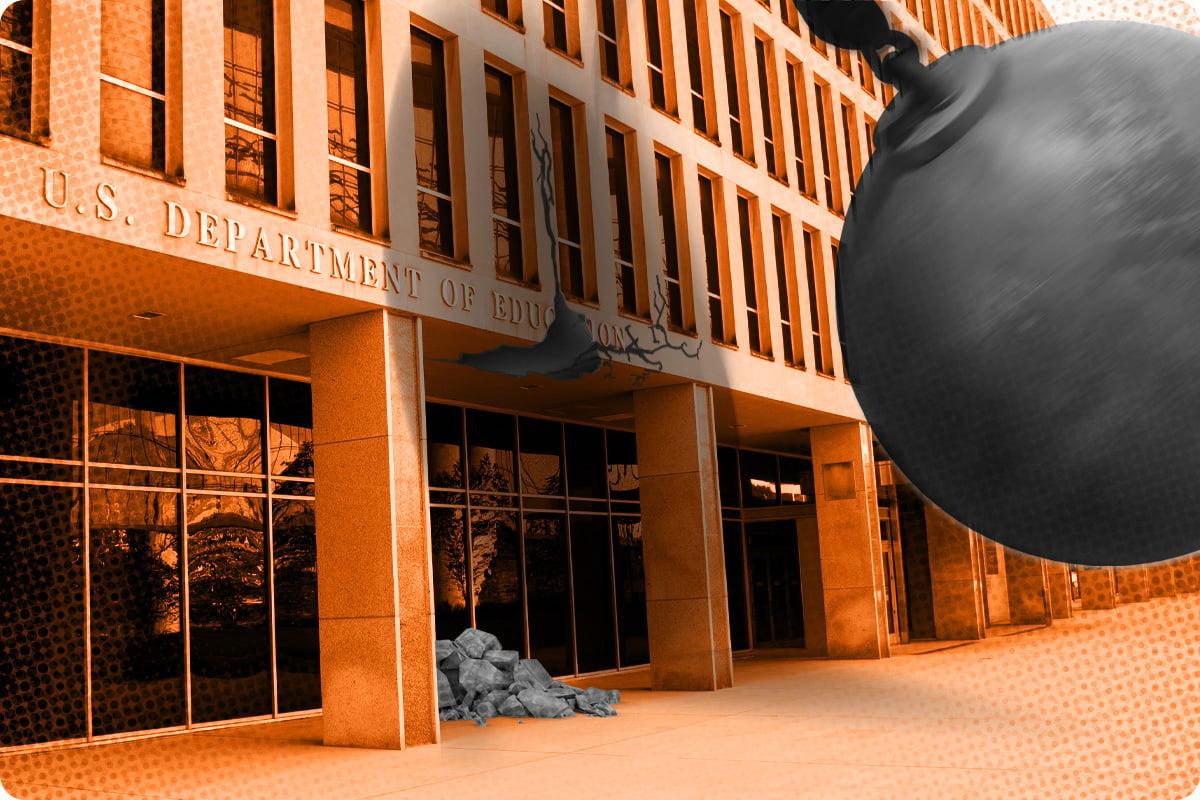
The recent announcement of the dismantling of the U.S. Department of Education has sent ripples across the nation, raising critical questions about the future of federal education policy. For Texas, a state with one of the largest and most diverse public school systems in the country, the move could signal significant shifts in funding, oversight, and educational standards. FOX 26 Houston examines what the dissolution of this federal agency means for Texas students, educators, and policymakers as they navigate a rapidly evolving educational landscape.
U.S. Department of Education Disbanded Impact on Texas Schools and Funding
The dissolution of the U.S. Department of Education has left many Texas schools in a state of uncertainty, as federal oversight and support undergo fundamental changes. Texas districts, which rely heavily on federal funding for programs like Title I and special education, may experience significant disruptions in resources that support low-income students and those with disabilities. Local education agencies are now tasked with navigating a landscape where state authorities assume greater control, potentially increasing disparities among districts depending on their individual financial capabilities and policy decisions.
Key concerns emerging for Texas schools include:
- Loss of streamlined federal grant application processes, requiring schools to adapt quickly to new state guidelines.
- Uncertainty about continuation and allocation of funds for pandemic recovery initiatives and technology upgrades.
- Challenges in maintaining compliance with civil rights and educational equity laws previously enforced at the federal level.
| Funding Category | Previous Federal Support | Projected State Role |
|---|---|---|
| Title I Grants | $1.2 billion annually | State-administered disbursement |
| Special Education | $850 million annually | State oversight with increased reporting |
| School Lunch Programs | Approximately $600 million | Potential restructuring under state guidelines |
Challenges Ahead for Texas Educators and Students Without Federal Oversight
Texas educators and students are bracing for significant setbacks as federal oversight dissolves. Without guidance from the U.S. Department of Education, school districts may face increased pressure to independently manage compliance with civil rights protections, special education mandates, and funding allocations. The absence of federal intervention could magnify educational disparities across the state, especially impacting vulnerable communities that rely heavily on federal support to maintain equitable learning environments.
Key concerns include:
- Uneven implementation of educational standards
- Challenges in monitoring and enforcing anti-discrimination policies
- Reduced oversight on special education program effectiveness
- Potential cuts or mismanagement in federal aid distribution
| Impact Area | Expected Challenge | Potential Outcome |
|---|---|---|
| Funding | Delayed or inconsistent aid releases | Resource shortages in underfunded schools |
| Accountability | Less rigorous performance monitoring | Drop in statewide educational quality |
| Equity | Fewer protections for minority and disabled students | Widening achievement gaps |
State-Led Education Reform Opportunities and Risks in Post-Federal Era
With the dissolution of the U.S. Department of Education, Texas is positioned at a pivotal crossroads where state leaders must navigate the newfound autonomy in shaping educational standards and policies. This decentralized control unlocks opportunities for tailored reform that better reflect Texas’s unique demographic and economic landscape. Local governance can now spearhead initiatives that align more closely with community needs, such as expanding vocational training, enhancing STEM education, or integrating culturally relevant curricula aimed at boosting student engagement and graduation rates.
However, this shift also ushers in potential risks that could exacerbate inequalities and administrative fragmentation. Without federal oversight, disparities among districts might widen, especially between wealthy urban areas and under-resourced rural communities. Critical accountability mechanisms and funding guidelines, previously standardized, could become inconsistent, threatening educational equity. Key concerns include:
- Lack of standardized benchmarks to ensure all students meet minimum proficiency levels
- Reduced protections for disadvantaged and special-needs students
- Variable funding allocations leading to uneven resource distribution
- Potential politicization of curriculum content and testing procedures
| Factor | Potential Benefit | Associated Risk |
|---|---|---|
| Curriculum Control | Customized learning models | Inconsistent academic standards |
| Funding Distribution | Targeted local investments | Resource inequities |
| Accountability | Community-driven oversight | Lack of statewide metrics |
Recommendations for Texas Policymakers to Navigate the New Educational Landscape
Furthermore, legislators should prioritize data-driven decision-making to replace federal oversight with robust state monitoring systems. Expanding Texas’ own research and analytics capacity can identify achievement gaps and resource disparities more efficiently. The table below outlines key policy areas to target and potential strategic actions tailored for Texas’ unique education ecosystem:
| Policy Area | Strategic Action | Expected Outcome |
|---|---|---|
| Funding Allocation | Implement equitable distribution formulas | Reduce resource gaps across districts |
| Accountability | Create state-level performance dashboards | Increase transparency and school improvement |
| Civil Rights Oversight | Form dedicated compliance units | Protect student rights effectively |
| Teacher Support & Training | Expand professional development programs | Enhance instructional quality statewide |
In Conclusion
As the U.S. Department of Education faces dismantlement, the implications for Texas remain uncertain yet significant. With federal oversight potentially reduced, the state could see shifts in funding, policy implementation, and educational equity measures. Stakeholders across Texas—from educators to policymakers—will be closely watching how this change shapes the future landscape of education in the region. As developments continue to unfold, Texans await clarity on what new challenges and opportunities lie ahead for their schools and students.