
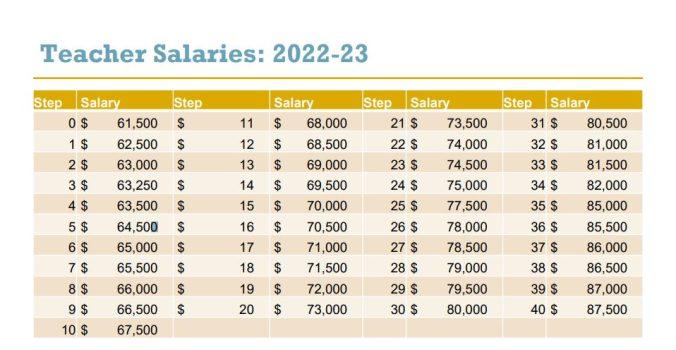
Houston ISD Considers Shifting Teacher Raises from Tenure to Performance-Based Models
The Houston Independent School District (HISD) is currently evaluating a significant change in how state-mandated salary increases for teachers are allocated. Moving away from the traditional tenure-based system, the district is contemplating a merit-based approach that ties raises directly to classroom effectiveness and measurable teacher performance. This potential shift aligns with a growing national trend to incentivize educators based on their impact on student learning outcomes. However, the proposal has ignited a robust discussion among educators, administrators, and policymakers about balancing fairness, motivation, and equity in teacher compensation. HISD’s ultimate decision could influence how other Texas districts distribute state funds earmarked for teacher pay raises.
Reassessing Teacher Compensation: From Seniority to Performance
HISD finds itself at a pivotal moment as it debates whether to replace the longstanding tenure-based salary increase system with one that rewards teachers based on their demonstrated effectiveness. Proponents of merit-based pay argue that linking compensation to tangible results encourages educators to innovate and continuously improve their teaching practices. They believe this approach can elevate overall instructional quality and better align pay with actual classroom impact.
On the other hand, opponents express concerns about the potential pitfalls of such a system. They warn that performance evaluations can be subjective and may jeopardize job security, which tenure protections currently provide. This could lead to increased stress among teachers and possibly erode the collaborative environment that tenure has historically supported.
Central issues fueling the debate include:
- Developing unbiased, consistent methods to evaluate teacher performance.
- Understanding how merit-based raises might affect retention, especially among experienced educators.
- Finding a balance between incentivizing excellence and preserving protections against arbitrary dismissal.
| Compensation Model | Advantages | Drawbacks |
|---|---|---|
| Performance-Based Raises |
|
|
| Traditional Tenure Raises |
|
|
Evaluating the Effects of Merit-Based Pay on Educator Drive and Student Success
The adoption of performance-linked pay in education has been a subject of extensive research and debate. Advocates highlight that rewarding teachers who demonstrate measurable improvements in student learning and employ innovative instructional methods can foster a culture of excellence and professional growth. Conversely, critics caution that such systems might inadvertently promote unhealthy competition among staff or oversimplify the multifaceted nature of student achievement.
Recent analyses of districts implementing merit-based raises reveal mixed outcomes, underscoring the importance of thoughtful design and transparent administration. Successful programs often share key characteristics:
- Clear and equitable evaluation criteria that combine quantitative student progress with qualitative peer and administrative assessments.
- Robust professional development opportunities tailored to help teachers meet performance goals.
- Fair access to incentives across all subjects and grade levels, ensuring inclusivity.
| School District | Performance Pay Approach | Impact on Teacher Motivation | Student Achievement Gains |
|---|---|---|---|
| District X | Bonuses tied to standardized test improvements | Moderate uplift | 6% increase |
| District Y | Peer and administrator-reviewed awards | Significant boost | 8% increase |
| District Z | Hybrid model incorporating tenure and performance | Minimal change | 3% increase |
Overcoming Obstacles and Leveraging Benefits in Performance-Based Teacher Raises
Transitioning HISD’s salary increase system from tenure-based to performance-oriented presents a complex set of challenges alongside promising opportunities. A primary hurdle lies in crafting evaluation frameworks that accurately and fairly capture teacher effectiveness without bias. This requires integrating diverse data sources, including student achievement metrics, classroom observations, and peer feedback. However, the subjective nature of some assessments may impact teacher confidence and morale.
On the positive side, linking raises to demonstrated effectiveness can motivate educators to pursue ongoing professional development and improve instructional quality. Recognizing high-performing teachers with financial rewards may also help reduce turnover rates. Nevertheless, the district must be vigilant to avoid unintended consequences such as narrowing the curriculum to tested subjects or fostering excessive competition that undermines teamwork.
| Challenges | Opportunities |
|---|---|
| Creating fair, reliable evaluation tools | Promotes continuous professional growth |
| Preserving teacher morale and trust | Rewards educators with significant impact |
| Mitigating “teaching to the test” tendencies | Potentially lowers teacher turnover |
| Balancing collaboration with healthy competition | Enhances student learning outcomes |
Strategies for Ensuring Equity and Accountability in HISD’s Teacher Pay System
For HISD to successfully implement a merit-based raise system that is both equitable and effective, transparency and consistency must be prioritized. The district should adopt a multi-faceted evaluation process that includes student growth data, peer and principal reviews, and evidence of professional development. Standardizing these criteria across all schools will help reduce bias and build trust among educators.
Incorporating qualitative feedback alongside quantitative measures offers a more nuanced understanding of teacher performance, avoiding overreliance on test scores alone. Additionally, support mechanisms should be in place to assist teachers who are struggling, enabling improvement without punitive consequences.
Recommended practices include:
- Regular evaluator training and calibration to maintain consistent standards.
- Clear, ongoing communication about how compensation decisions are made.
- Professional development programs targeted at enhancing instructional skills.
| Evaluation Component | Weight | Objective |
|---|---|---|
| Student Academic Growth | 40% | Track progress on standardized assessments |
| Peer and Administrative Reviews | 35% | Evaluate classroom engagement and management |
| Ongoing Professional Development | 15% | Encourage continuous skill enhancement |
| Community and Extracurricular Involvement | 10% | Recognize contributions beyond teaching duties |
Conclusion: Navigating the Future of Teacher Compensation in HISD
As HISD deliberates on how best to allocate state-mandated salary increases, the conversation around merit-based versus tenure-based raises remains a critical issue. Educators, administrators, and policymakers are carefully considering the implications for teacher retention, instructional quality, and budget management. The district’s forthcoming decisions will not only reflect its dedication to rewarding effective teaching but may also serve as a model for other Texas school districts adapting to evolving legislative requirements and educational priorities.