
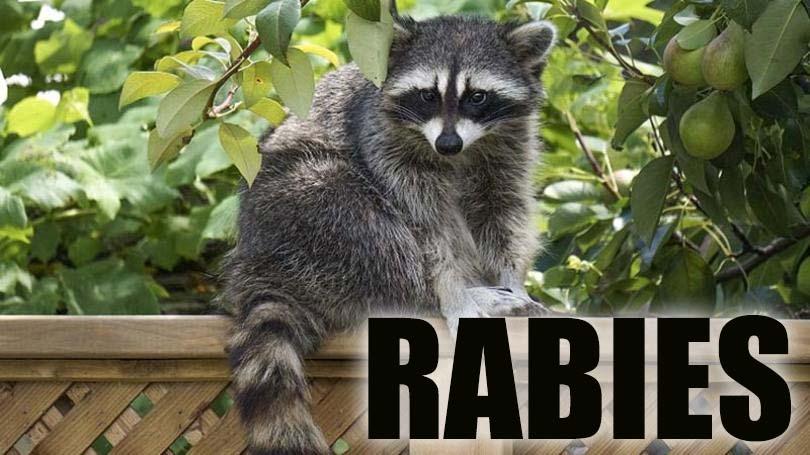
Rabies Detected in Houston County Raccoon Sparks Community Alert
Officials in Houston County have confirmed that a raccoon has tested positive for rabies, raising significant concerns about public safety. This finding highlights the urgent need for residents to remain cautious and take preventive actions to curb the spread of this fatal virus. Authorities emphasize avoiding any interaction with wild animals and encourage immediate reporting of any unusual or aggressive animal behavior to local animal control services.
To protect both people and pets, the following safety measures are strongly recommended:
- Keep pets’ rabies vaccinations current to ensure their protection.
- Prevent wildlife access to homes by securing trash bins and sealing potential entry points.
- Refrain from touching or feeding wild animals, especially those exhibiting abnormal behavior.
- Seek prompt medical care if bitten or scratched by any animal.
| Wildlife Species | Rabies Threat Level |
|---|---|
| Raccoons | Very High |
| Skunks | Moderate |
| Bats | Very High |
| Foxes | Moderate |
Guidelines for Residents and Pet Owners to Prevent Rabies Exposure
Following the recent rabies case in a Houston County raccoon, health authorities are urging the community to adopt heightened safety practices. It is crucial to avoid any direct contact with wild animals and to keep homes secure, especially during nighttime when nocturnal creatures are most active. Pet owners should verify that their animals’ rabies immunizations are up to date and report any suspicious animal behavior or bites to health officials without delay.
Additional recommendations to reduce the risk of rabies transmission include:
- Never feed or attempt to handle wild animals such as raccoons, bats, or foxes.
- Keep pets indoors or on a leash during early morning and evening hours.
- Secure garbage cans, pet food, and compost bins to deter wildlife from approaching.
- Immediately wash any animal-inflicted wounds with soap and water and seek medical evaluation.
| Recommended Action | Purpose |
|---|---|
| Vaccinate Pets | Maintain current rabies immunizations |
| Use Wildlife-Proof Trash Containers | Reduce attraction of wild animals |
| Report Animal Bites | Enable timely medical intervention |
| Avoid Contact with Wildlife | Prevent potential rabies exposure |
How to Handle Encounters with Animals Showing Rabies Symptoms
If you observe an animal exhibiting signs such as excessive salivation, unprovoked aggression, or impaired coordination, it is vital to keep a safe distance. Do not attempt to capture or touch the animal, as rabies is highly contagious and almost always fatal once symptoms manifest. Contact your local animal control or public health department immediately, providing detailed information about the animal’s location and behavior.
While waiting for professional assistance, take these precautions to protect yourself and others:
- Keep children and pets away from the animal’s vicinity.
- Avoid cornering or provoking the animal to prevent bites or scratches.
- Remove or secure outdoor food sources that might attract other wildlife.
- Wash hands thoroughly if accidental contact occurs.
| Action | Reason |
|---|---|
| Notify Authorities | Ensures safe capture and testing of the animal |
| Stay Indoors | Reduces risk of accidental exposure |
| Monitor Pets Closely | Prevents spread to domestic animals |
| Report Any Bites Promptly | Allows for timely post-exposure treatment |
Enhanced Rabies Monitoring and Prevention Initiatives in Houston County
In light of the confirmed rabies case in a local raccoon, Houston County authorities have intensified surveillance and control measures. Collaborative efforts between animal control, public health officials, and wildlife specialists have led to expanded trapping and testing programs targeting raccoon populations in vulnerable neighborhoods. Residents are encouraged to report any suspicious wildlife activity immediately. Additionally, comprehensive educational campaigns are underway to raise awareness about rabies symptoms and prevention strategies.
Key preventive measures promoted by officials include:
- Ensuring pets receive timely rabies vaccinations to maintain immunity.
- Minimizing contact with wild animals by avoiding feeding or handling them.
- Securing trash and food sources to reduce wildlife attraction to residential areas.
- Seeking immediate medical care if bitten or scratched by any animal suspected of carrying rabies.
| Region | Rabies Tests Conducted | Positive Cases | Prevention Efforts |
|---|---|---|---|
| North Houston County | 50 | 1 | Community vaccination drives and door-to-door outreach |
| South Houston County | 35 | 0 | Wildlife management workshops |
| East Houston County | 28 | 0 | Public education campaigns |
| West Houston County | 22 | 0 | Neighborhood clean-up initiatives |
Final Thoughts on Rabies Safety in Houston County
As Houston County continues to monitor the situation following the detection of rabies in a raccoon, residents are strongly encouraged to remain vigilant and proactive. Ensuring pets are vaccinated and steering clear of wild animals are essential steps in safeguarding community health. The Houston County Health Department will keep the public informed with updates as new information emerges. For additional resources and guidance, community members should visit the Wiregrass Daily News website or reach out to local health authorities.