

NASA’s Upcoming ISS Spacewalks: Essential Upgrades and Maintenance
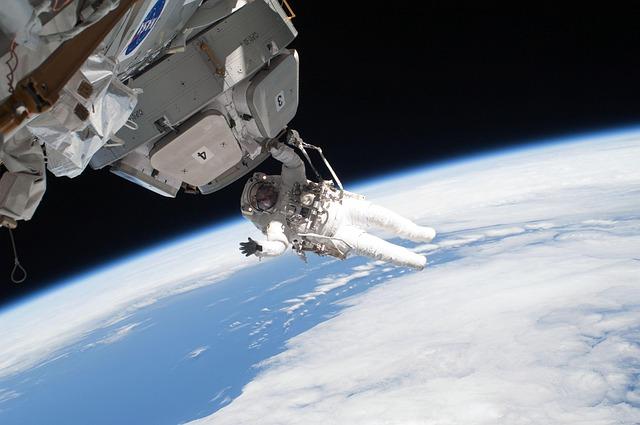
NASA is preparing to execute two pivotal spacewalks aboard the International Space Station (ISS) within the next few months. These extravehicular activities (EVAs) are designed to perform vital maintenance and implement system enhancements that will sustain the station’s functionality and safety. Beyond routine upkeep, these missions are integral to advancing the ISS’s role as a cutting-edge research facility and a stepping stone for future deep space exploration endeavors.
The astronauts involved in these operations will focus on several key upgrades and inspections, including:
- Deployment of advanced lithium-ion battery units to boost power efficiency and reliability
- Overhauling the thermal regulation system to maintain optimal temperatures for sensitive equipment
- Swapping out outdated communication antennas to enhance data transmission capabilities
- Conducting thorough structural assessments to detect and address material fatigue
| Date | Duration | Primary Tasks |
|---|---|---|
| Mid-July 2024 | Approx. 6.5 hours | Battery Installation and System Verification |
| Early August 2024 | Approx. 7 hours | Cooling System Enhancement and Antenna Replacement |
Mission Goals and Technological Innovations in the Upcoming EVAs
The forthcoming spacewalks are not only about maintaining the ISS but also about integrating new technologies that will support ongoing scientific experiments and improve station operations. Repairing and upgrading the cooling system is critical to safeguarding the performance of onboard instruments that conduct vital research. Simultaneously, communication upgrades will facilitate faster and more reliable data exchange between the ISS and Earth-based mission control centers.
These missions will utilize state-of-the-art extravehicular mobility units (EMUs) and specialized tools engineered for the unique challenges of microgravity. Noteworthy technological features include:
- Smart tools equipped with sensors that provide astronauts with immediate operational feedback
- Enhanced helmet displays delivering essential information seamlessly to minimize distractions
- Upgraded tether systems designed to improve astronaut safety and mobility
- Robotic assistance interfaces to support handling of complex or heavy equipment
| Mission Objective | Technology Utilized | Anticipated Benefit |
|---|---|---|
| Cooling system refurbishment | Next-generation EMU tools | Prolonged operational lifespan of ISS systems |
| Communication system upgrade | Advanced antenna technology | Improved data transmission speed and reliability |
| Installation of scientific payloads | Robotic-assisted interfaces | Expanded research capabilities |
Astronaut Training and Safety Protocols for the Spacewalks
Prior to these complex EVAs, astronauts undergo extensive preparation to ensure they are ready to handle the demanding conditions of space. Training encompasses rigorous physical conditioning, emergency scenario simulations in virtual reality environments, and underwater exercises in neutral buoyancy labs that mimic weightlessness. Familiarity with the specialized tools and procedures is reinforced through repeated practice sessions.
Core components of astronaut preparation include:
- Emergency response drills for rapid suit depressurization
- Communication and navigation exercises to maintain constant contact with the ISS and ground control
- Mastery of tool operation and repair techniques in zero gravity
- Team coordination drills to ensure synchronized task execution
Strict safety protocols are enforced to minimize risks during the spacewalks. Each spacesuit undergoes detailed inspections and pre-breathing routines to prevent decompression sickness. Life-support systems are redundantly checked to guarantee continuous oxygen supply and carbon dioxide removal throughout the EVA. The following table summarizes the critical safety checks performed before each spacewalk:
| Safety Procedure | Purpose | Duration |
|---|---|---|
| Suit Integrity Verification | Detect leaks and ensure life-support functionality | 30 minutes |
| Oxygen Pre-Breathe Protocol | Eliminate nitrogen buildup to prevent decompression sickness | 45 minutes |
| Communication System Check | Confirm clear and reliable contact with team and mission control | 15 minutes |
| Final Tool Inspection | Ensure all equipment is operational and ready | 20 minutes |
The Broader Impact of These Spacewalks on Future Space Missions
These scheduled spacewalks extend beyond routine maintenance; they serve as critical rehearsals for the challenges of deep space exploration. By trialing new tools, refining operational procedures, and enhancing astronaut capabilities in the microgravity environment, NASA is laying the groundwork for upcoming missions to the Moon, Mars, and beyond. The hands-on experience gained will empower astronauts to perform complex repairs, install scientific instruments, and adapt swiftly to unexpected situations during prolonged missions far from Earth.
Anticipated advancements stemming from these EVAs include:
- Improved spacesuit flexibility and durability tailored for planetary surfaces
- Upgraded external station components to extend operational life
- Enhanced crew coordination strategies for extravehicular tasks
- Development of rapid-response protocols for emergency scenarios
| Focus Area | Long-Term Benefit |
|---|---|
| Spacesuit Performance Testing | Enhanced astronaut safety on Mars and lunar missions |
| Hardware Modernization | Prolonged mission durations and station viability |
| Emergency Procedure Drills | Accelerated response capabilities in deep space emergencies |
Conclusion: Sustaining the ISS and Paving the Way for Deep Space
As NASA readies these critical spacewalks, the agency reaffirms its dedication to preserving the International Space Station as a cornerstone of human spaceflight and scientific innovation. Each EVA not only maintains the station’s infrastructure but also equips astronauts with invaluable experience for future exploration beyond Earth’s orbit. CW39 Houston will continue to provide detailed updates as these missions progress, highlighting NASA’s relentless pursuit of advancing humanity’s presence in space.